The Potholes AI Helped Me Patch This Week
Looking back on this week, the stuff I used AI for wasn't exactly flashy.
No big shiny feature launch, no sudden transformation into a "money-printing machine." Most of the time I was patching holes in a real product: website redirects going to the wrong place, email not wired up end to end, a diagnostic tool still carrying restrictions from the open-source project it came from, a support bot that couldn't answer well enough, and daily research reports whose quality kept bouncing around.
None of these is a big deal on its own, but together they decide whether people can actually use the product without friction.
Getting the website's first impression right
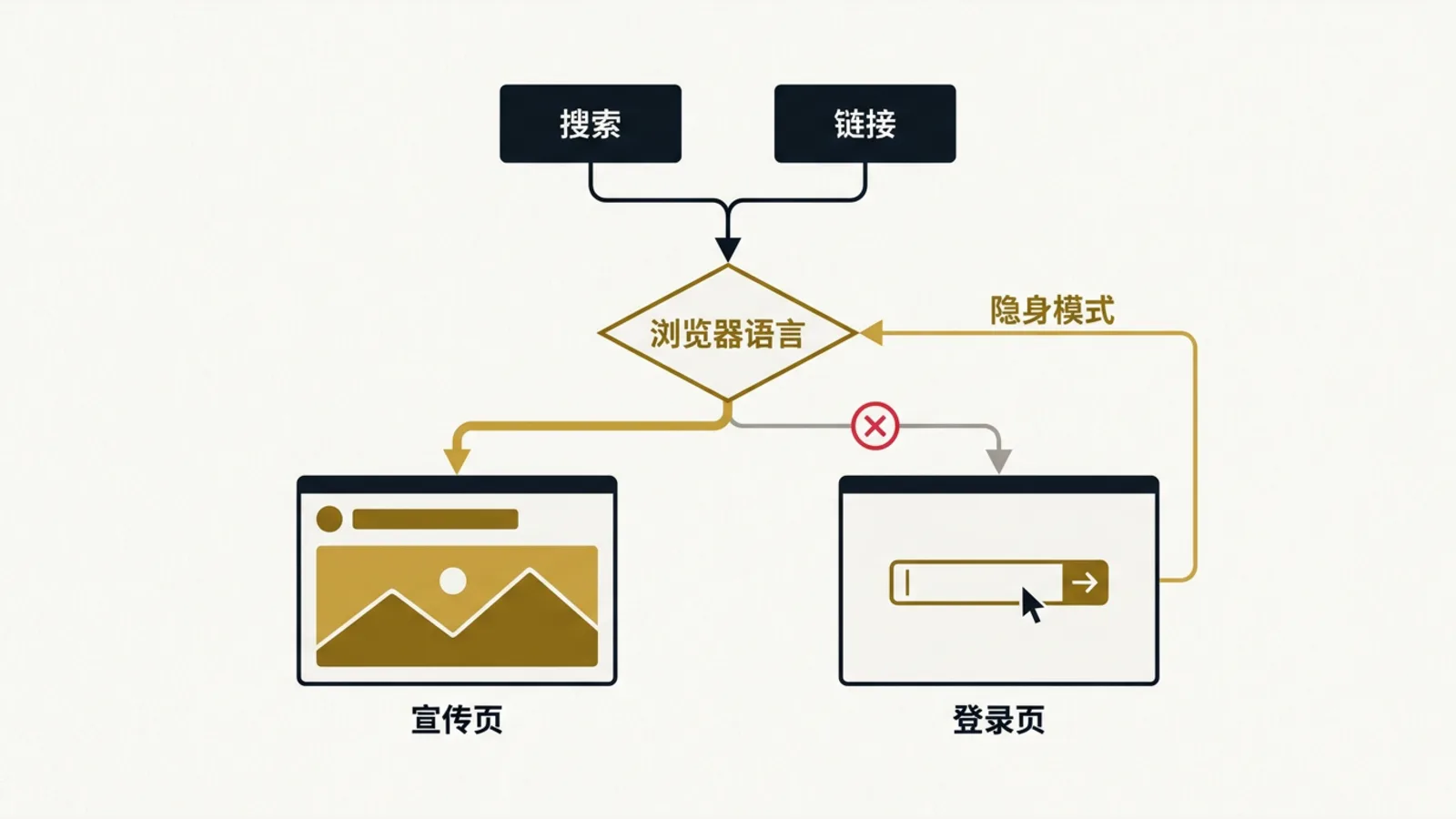
The MakanCloud website already had a Chinese/English toggle, but when I actually clicked around I found some rough edges: the default language was inconsistent across browser language settings, opening the site in incognito dropped you on the login page instead of the landing page, and the www redirect and deployment status both needed re-checking.
I had AI help me break it down: where does the user come from (search or a link), what's their browser language, which page do they land on, is the redirect correct, and did the build and deploy actually go live?
What got fixed in the end wasn't one isolated button. It was the question of "what does someone actually see the first time they open the site?"
Wiring up the email pipeline
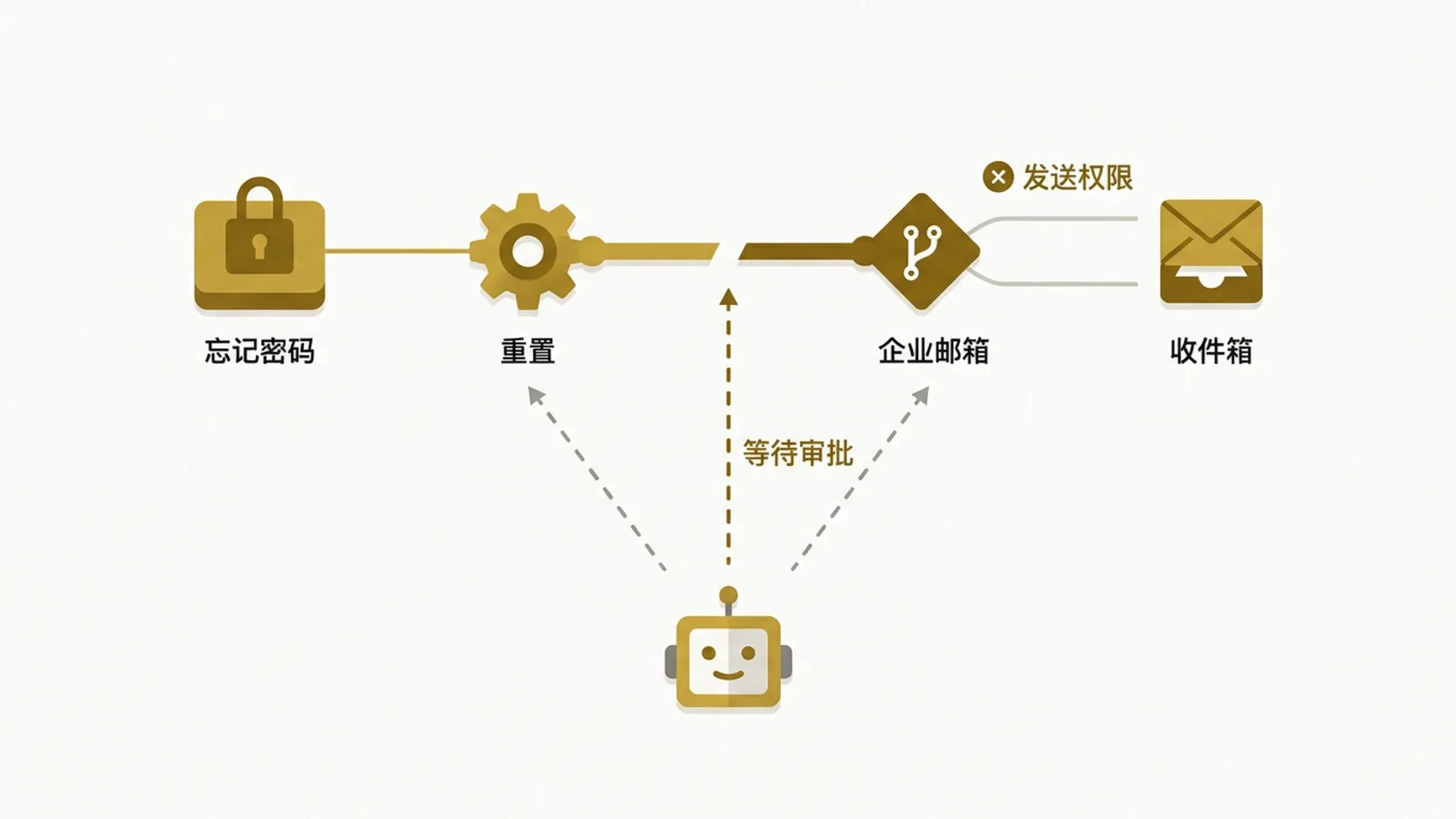
The other real problem was email. Automated password resets, routing for the business mailbox, sending permissions on the cloud email service: none of that is done after a few lines of code.
Here AI was more like a pacer running alongside me. It told me how to create the permissions, which options to be careful with, what to do once the verification email arrived, and that production access needed to wait for approval. It can't hold my account permissions for me, but it massively cut down the time I'd otherwise spend clicking around admin consoles.
This kind of work is tedious, but for a SaaS it's critical. If a user forgets their password and never gets the email, trust in the product drops instantly.
Making my in-house GEO tool something I control
I also deployed an open-source GEO diagnostics project and turned it into my own internal tool. The main changes:
- Removed the original author's promotional content
- Removed the mandatory sign-up wall
- Fixed local startup and analysis failures
- Hooked up local embeddings
- Started designing quotas for AI calls
The lesson for me: even for an internal tool, "just get it running" isn't enough. If there's any chance it goes commercial later, you need to think early about licensing boundaries, the account system, cost control, and security risks.
Don't rush to pile features onto the support bot
Mika, the support bot we just launched, isn't good enough yet. The obvious move is to swap in a stronger model and throw more resources at it, but I held off on that this week.
Instead I had AI audit the knowledge base and the retrieval pipeline first, and, borrowing from well-established RAG practice, set up a baseline. In other words, answer a basic question first: when the bot gives a bad answer, is it missing knowledge, failing to retrieve it, or is the generation step flaky?
That order matters. Without a baseline, it's really easy to spend money in the wrong place.
Wrapping up
My biggest takeaway this week: AI collaboration is most useful not when it makes gut calls for me, but when it breaks fuzzy problems into steps I can verify.
In the past I'd bounce between "I don't know how to do this," "let's park it," and "I'll get to it later." Now a lot of things move much faster into a tight loop of debug, verify, commit, deploy.
If you're building a product too, drop a comment: what kind of headache would you most like to hand off to AI?