Three Months of Working With AI, and the Most Useful Trick I've Learned: Let It Say "I Don't Know"
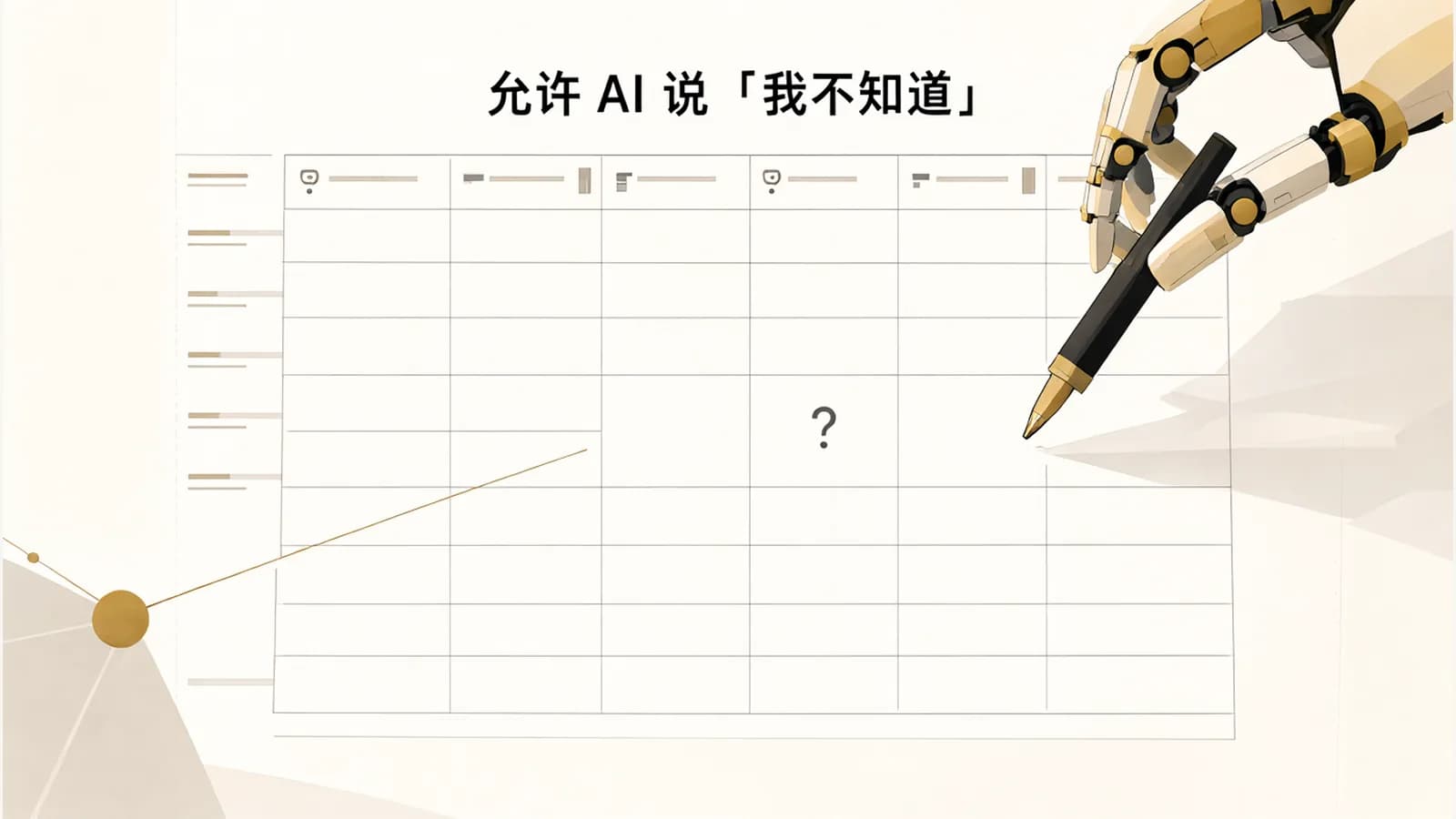
If you lean on AI for your work every day, this one might save you from a trap I nearly fell into.
Here's the short version: the most valuable thing you can do when working with AI isn't writing fancier prompts. It's giving it an explicit way out, a way to say "I don't have enough information."
The small thing that made me suspicious
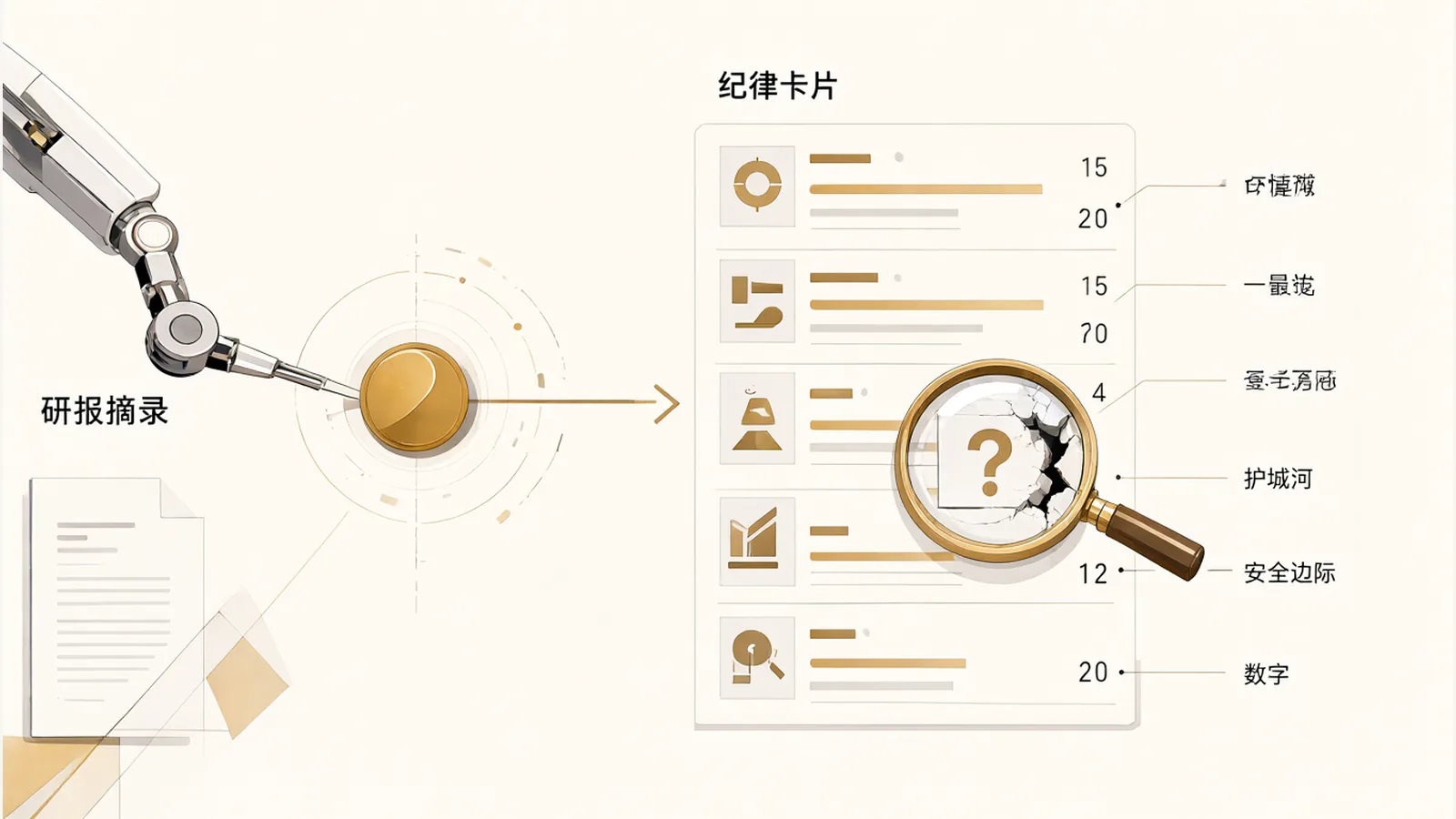
This week I've been writing "post-buy discipline" cards for the handful of stocks I just added to my model portfolio. The idea is to make myself think five things through before buying: how the business actually makes money, whether its moat is getting wider or narrower, where the margin of safety sits at today's price, and, if I turn out to be wrong, why the downside stays manageable.
I fed excerpts from analyst reports into the AI and asked it to draft the cards. At first the answers came back fast and full. Every point sounded legit, and even the numbers were lined up perfectly. That neatness is exactly what bugged me. Did it actually find these numbers, or did it just make them up on the fly?
One extra sentence, and it got honest
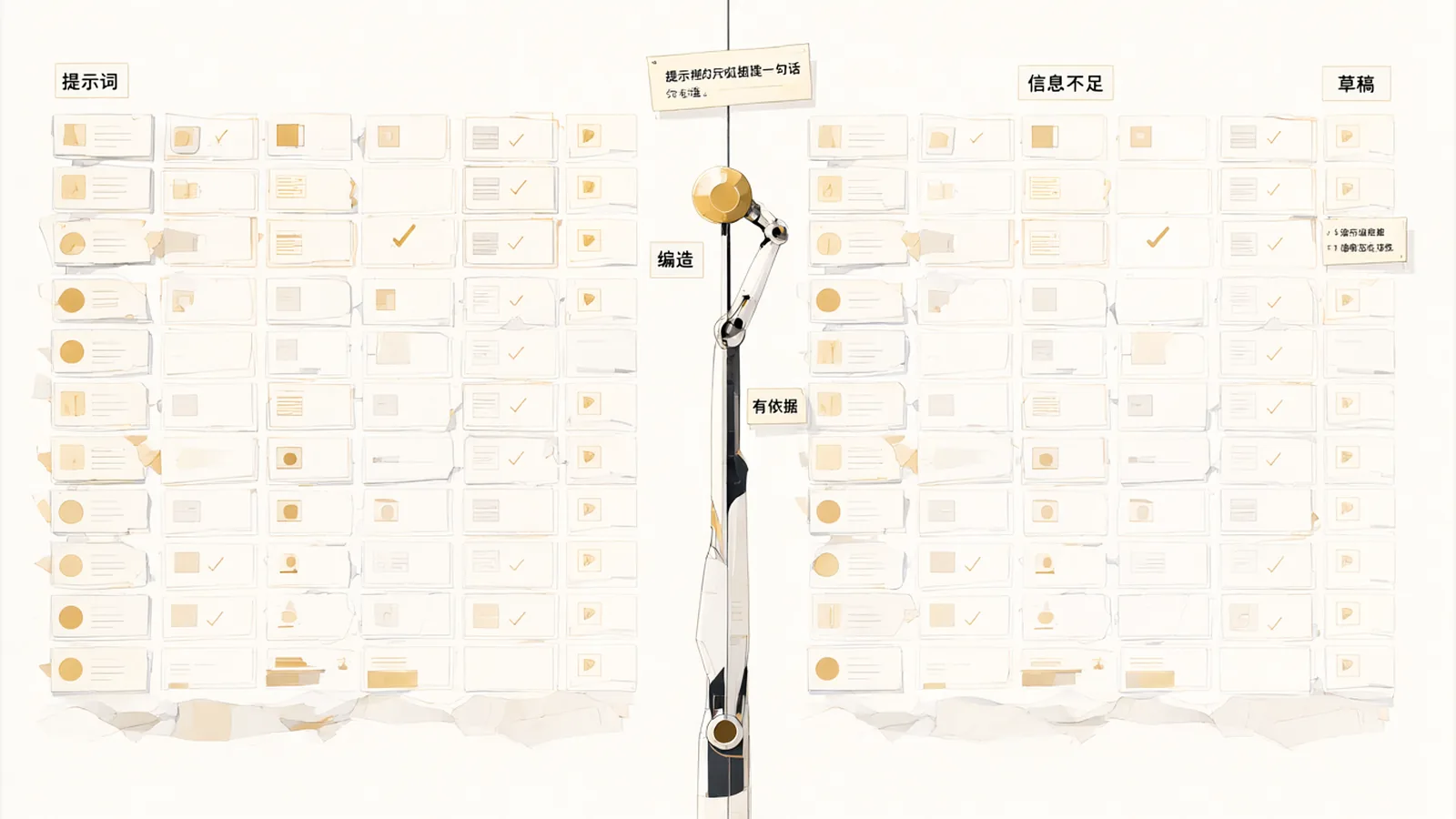
I added one line to the prompt: "If you can't answer, just write 'Not enough info: missing xxx'. Don't make up any numbers."
I ran it again and the output looked completely different. For several points it wrote "Not enough info" and said exactly which data was missing. On the surface the answer looked less polished than before. But this was the first draft I actually trusted, because now I could tell which parts were backed by evidence and which parts it simply didn't know.
AI has a built-in tendency to please you, so it instinctively fills every blank. If you don't explicitly give it permission to leave gaps, it'll patch them over with plausible-looking content. That's one of the main sources of hallucinations.
Same trick, different context, still works
This isn't a stock-picking trick. A few days ago I was making illustrations for a post and asked the AI to plan the Chinese labels that would appear in the images. I added a hard rule: "Labels must be words that actually appear in the article. Don't invent new concepts, and no empty buzzwords like 'AI-empowered' or 'digital transformation'." The images stopped drifting right away, and every element matched the text.
The pattern is the same both times. Instead of hyping the AI up with "you're great, just handle it for me," draw clear lines: what it can make up, what it can't, and what to do when it isn't sure. Constraints get you usable output from AI far more reliably than praise does.
Final thoughts
The longer I work with AI, the more I see it this way: it's not an all-knowing expert. It's more like a super hardworking assistant who's terrified of letting you down. It'll only be honest once you tell it that honesty is okay.
Has AI ever confidently made something up on you? How did you catch it? Let me know in the comments. I read every one.
(Any investment content here is just my personal view, shared for discussion. It's not investment advice.)