400+ AI Sessions in One Week, and How I Now Split the Work
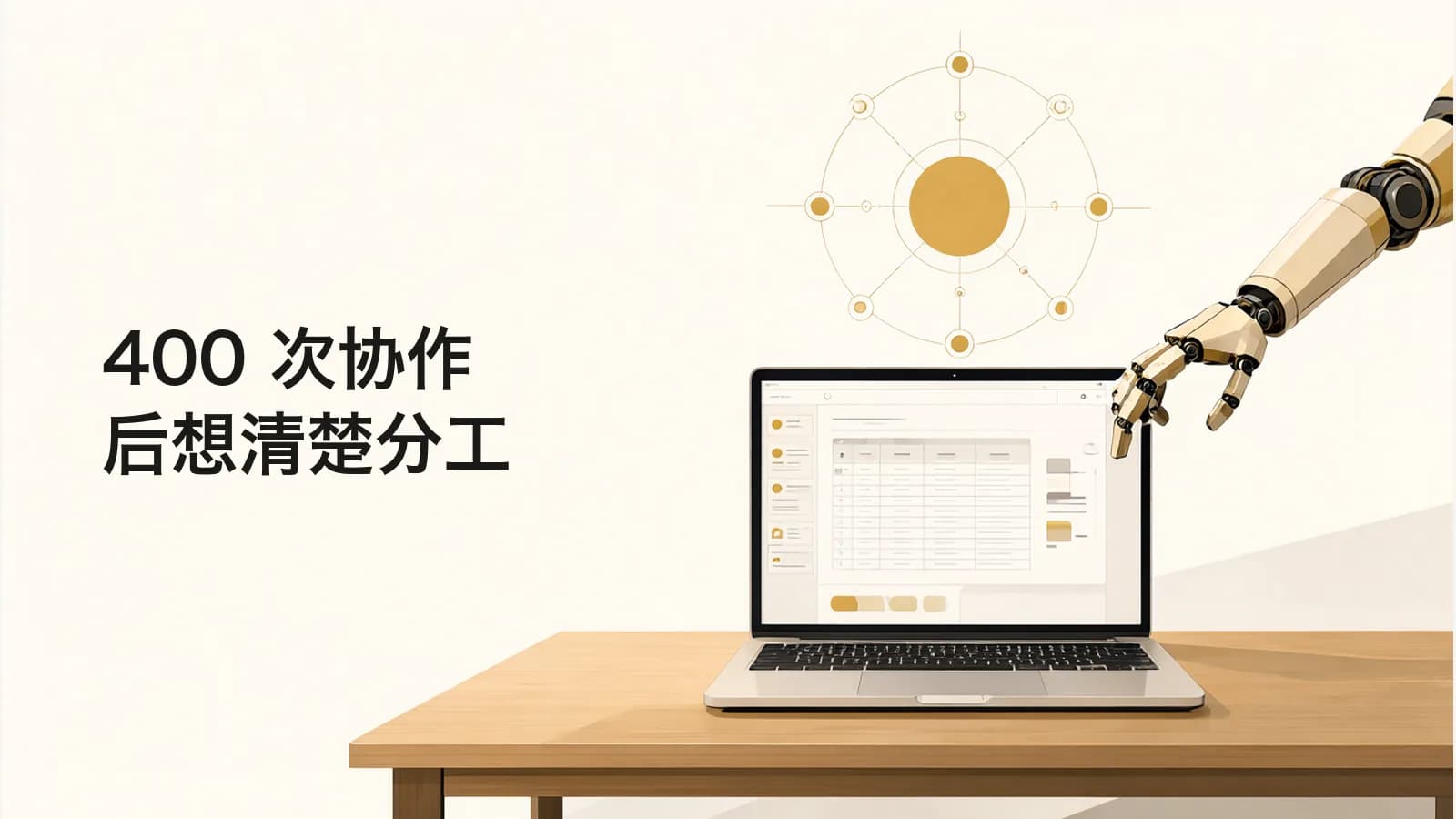
This week (Oct 12–18), I went back and forth with AI more than 400 times. Looking back through the logs, the real win wasn't how many lines of code it wrote. It was finally fixing a few problems that had been dragging on for ages.
1. Moving "mystery shoppers" out of group chats and into the product
I build MakanCloud, a restaurant SaaS, and restaurant owners keep telling me they want someone to visit their store as a regular customer and see what the service is really like. Until now, all of this was manual. People got added to a WeChat group, the questionnaire went out separately, photos and receipts ended up all over the place, and meal reimbursements were sent as private transfers.
This week, the AI and I built the whole flow into the system. The merchant generates an invite link. The mystery shopper picks a store, fills in the questionnaire, uploads photos and their receipt, and adds their payout details. Once an admin approves it, the area manager reimburses the meal. Then we added one more detail: shoppers can now choose their visit date and time slot freely, the same way influencers book their visits.
There was also a small request: merchants wanted to know who referred each influencer and each mystery shopper. So we added a "Referred by" field. If there's a list of referrers, you pick from a dropdown. If not, you type the name in. Admins can make the field required if they want.
2. The pitfalls AI won't warn you about
Only after the feature went live did I notice the booking system had never had daily backups. The AI wrote a backup script and added it to the scheduled jobs in no time. But the question "should there be backups at all?" only came up because I asked it myself.
The other pitfall was in CI. A few integration test suites that hit a real database ran in parallel, and they kept wiping each other's tables during cleanup, so the results were flaky. In the end I made them run one after another. The tests are stable now, and the cost is that CI is a bit slower.
3. Why my cover images got ugly
My personal site auto-generates dev logs, and lately the illustrations had gotten noticeably worse. After digging in, I found the cause: the prompts were written for a large language model, so they were abstract and full of metaphors. Once I switched to a local diffusion model, it had no idea what to do with that kind of writing.
The fix came down to two things. First, a separate set of plain, literal scene descriptions written just for the diffusion model. Second, the model no longer draws the Chinese title in the image. The title now always gets overlaid by code. I also fixed a small issue: when the Mac's lid was closed, the morning scheduled jobs didn't run. Now the machine stays awake while the jobs are running.
4. Auto-posting: it can hit "publish," but it can't control platform rules
I set up an automated marketing pipeline for the product accounts, and it can now schedule posts to both Xiaohongshu and our WeChat Official Account. It hasn't all gone smoothly, though. One video went out and got zero views. It was most likely throttled, so the only option was to repost it. I also started a personal Xiaohongshu account, run separately from the product account, with a scheduled job posting to it every day.
Final thoughts
After this week, the split is clearer than ever. Writing code, tracking down root causes, and drafting solutions go to the AI. Making trade-offs, checking things before launch, and verifying them after launch stay with me. AI lets me get through the workload of a small team on my own, but the calls that need someone to sign off are still mine to make.
When you build with AI, which step are you least comfortable handing over? Drop a comment and let's talk.