What I'm Actually Living On After Quitting to Go Indie
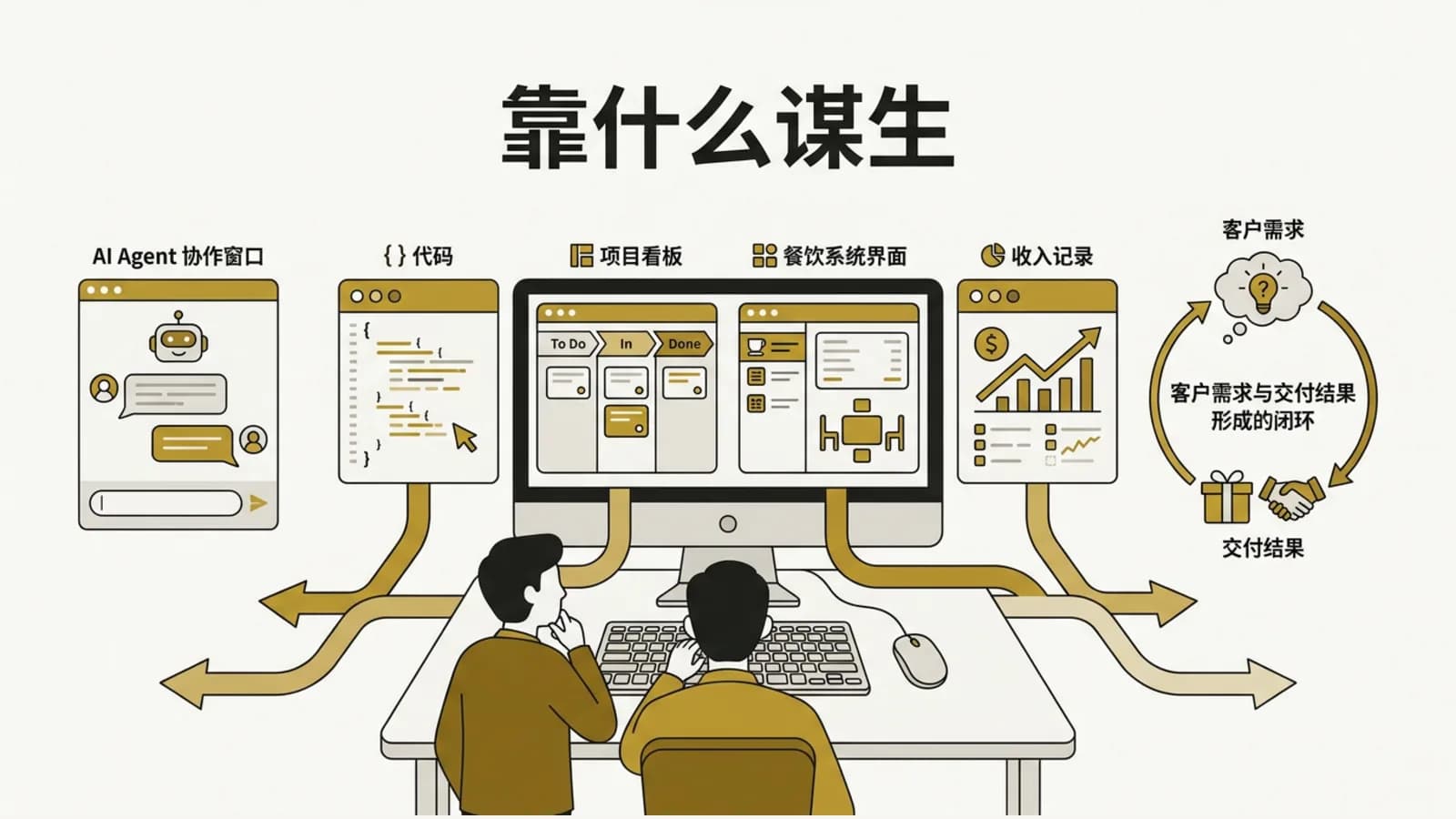
Since quitting my job, I've had to face one question more directly every day: can I actually make a living from the things I build?
This isn't a motivational slogan. Once the steady paycheck is gone, everything gets very concrete. Did the product move forward today? Did I solve a real problem? Is anyone willing to work with me because of what I can do?
Right now I describe myself pretty simply: an indie developer who uses AI to turn ideas into real products.
1. I'm not chasing the AI hype, I'm using AI to ship
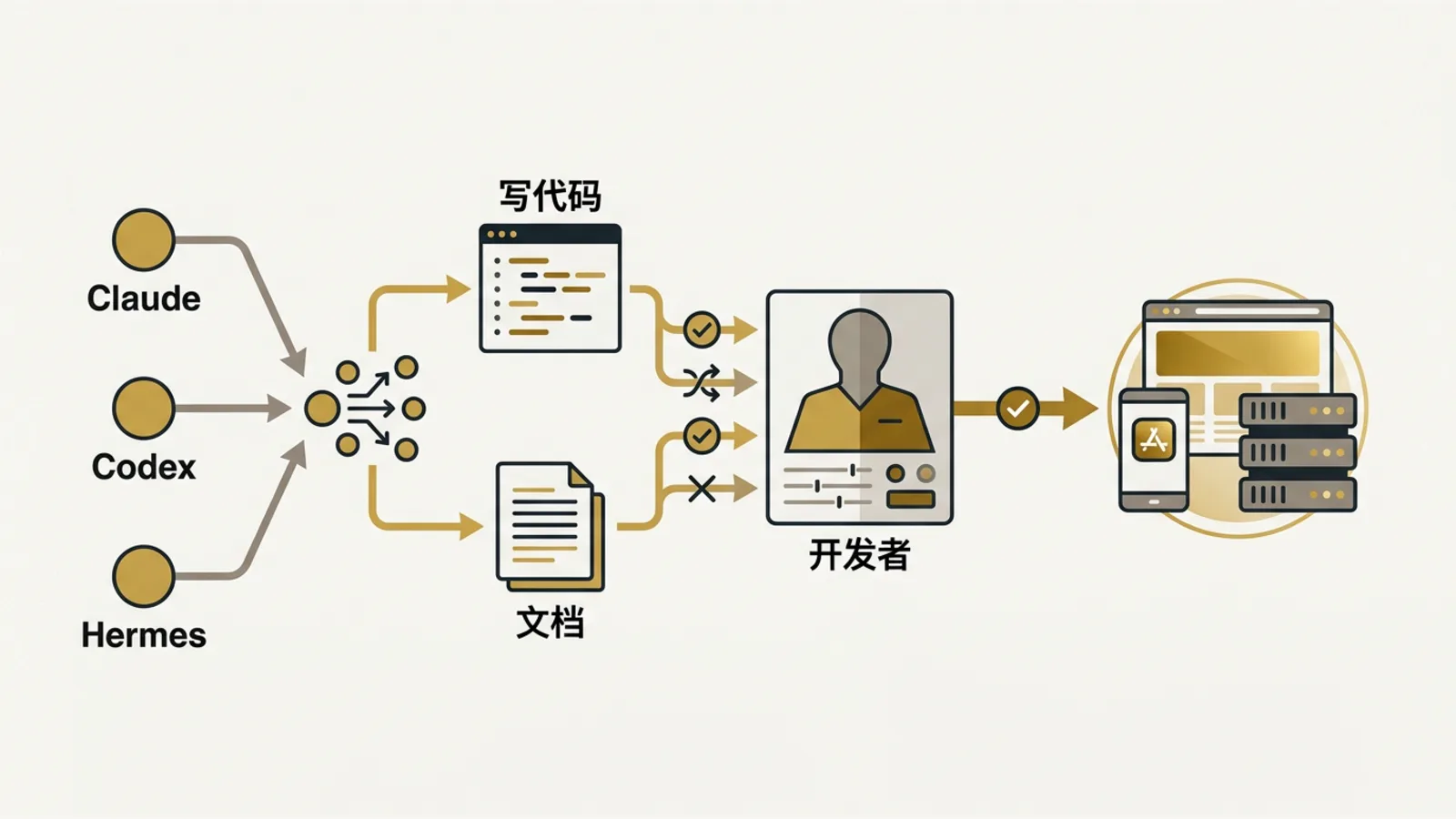
I work alongside AI agents like Claude, Codex, and Hermes every day.
They write code, track down bugs, tidy up docs, and help me map out workflows. On repetitive tasks, they make me noticeably faster.
But the more I use AI, the more one thing stands out: AI isn't a substitute for thinking.
Is the need real? Does the process make sense? Where do the system's boundaries go? When something breaks, how do you debug it? Those are still calls the developer has to make.
If you haven't thought a problem through, AI just turns the mess into code faster.
So when I write about AI-assisted coding, I'm not trying to prove that one person can do everything. I want to give an honest account of where AI actually helps on real projects, and where a human still has to catch what it misses.
2. MakanCloud was my first real test
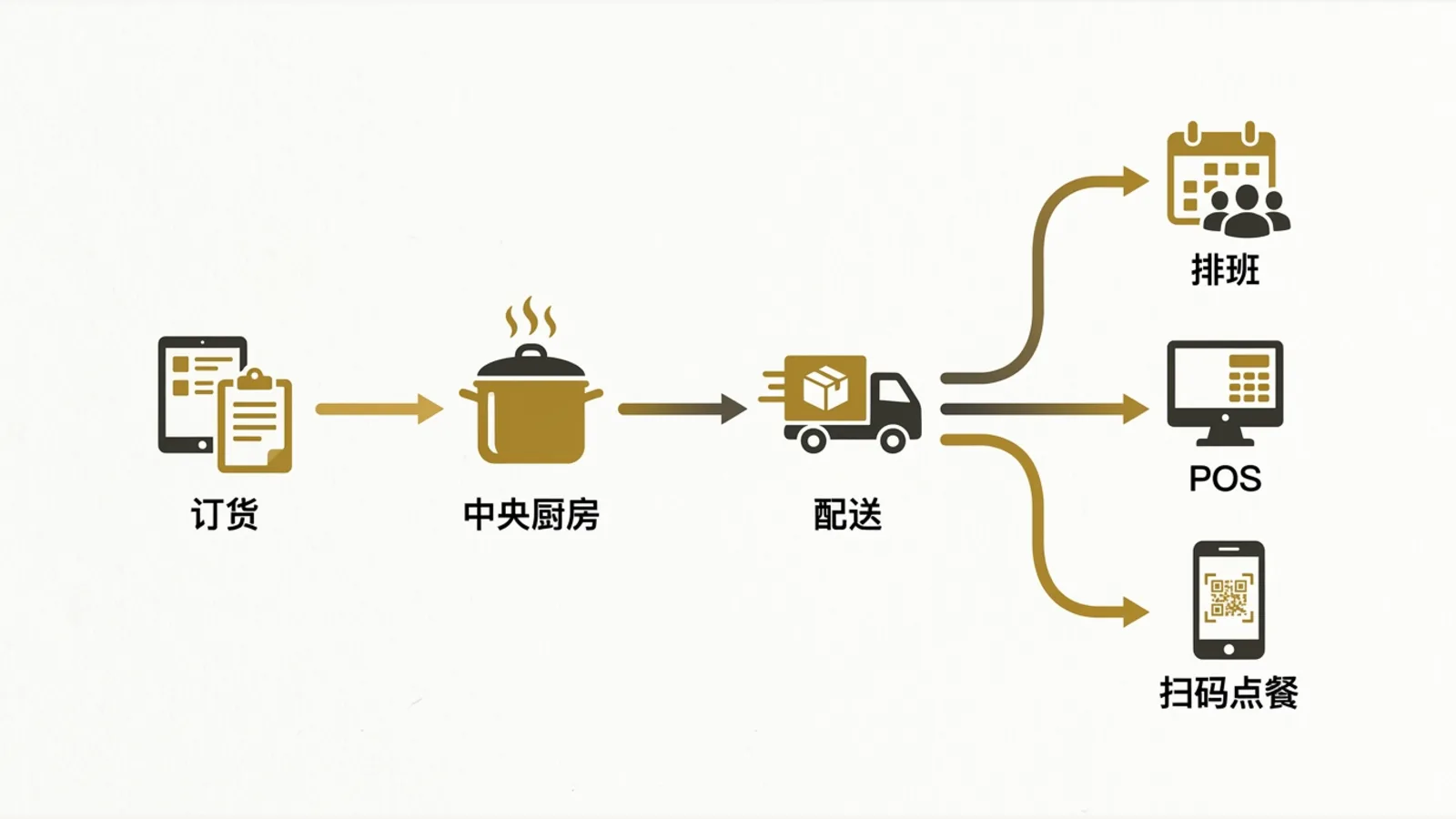
The first commercial product I led from zero to launch is MakanCloud.
It's built for F&B businesses in Singapore and covers the whole chain: supply ordering, the central kitchen, delivery, staff scheduling, POS, and QR-code ordering.
What matters most to me about this project isn't "I built a SaaS." It's that it pulled me deep into how outlets actually run day to day:
Placing orders from an outlet can't be complicated; Kitchen prep needs to be trackable; Delivery handoffs can't depend on endless back-and-forth messages; If scheduling, POS, and QR ordering don't talk to each other, you get a ton of duplicate work.
These problems are specific and deeply unsexy, but they're what actually happens every day in a real business.
I now believe the most important thing in indie development isn't building a page that looks cool. It's whether you can make a real workflow run smoothly.
3. I take on custom dev work, but I'm not selling code
These days I take on custom software projects for restaurants and small-to-medium businesses: operations systems, internal tools, websites, automation scripts, data dashboards, and so on.
What I'm offering isn't "cheap coding," and it isn't "spin something up fast with AI" either.
What I care about more is:
What are you handling over and over again every day? Which processes are only held together by people messaging each other? What data do you already have that isn't feeding into your decisions? Which tools don't fit your business, so your staff just work around them?
Software is only worth building if those problems can be turned into a system.
AI lets me get a solution into production faster and makes trial and error cheaper. It also makes it realistic for one person to own the whole thing end to end.
But what gets delivered should still be a system that solves the problem, not a pile of impressive-sounding buzzwords.
4. It's still early, and I'll keep building in public
Quitting to go indie didn't suddenly make life easier.
If anything, it made my weak spots a lot more obvious: product judgment, how I pitch and sell, putting out content, and shipping consistently. I need to level up on every one of them.
But I can genuinely feel that the AI era has opened a door for indie developers.
Things that used to be hard for one person to deliver end to end are now within reach, thanks to AI agents, automation, and better workflows.
The catch is that you can't just hype AI. You still have to understand the business, be able to write the code, deal with problems when they come up, and actually deliver.
I'll keep documenting what really happens along the way, including what works and the mistakes and failures too.
If you're into AI-assisted coding, indie development, restaurant tech, or custom software, drop a comment. And tell me: what kind of real project would you most like to see me break down?