No AI Collaboration Logs This Week — and That Taught Me Something
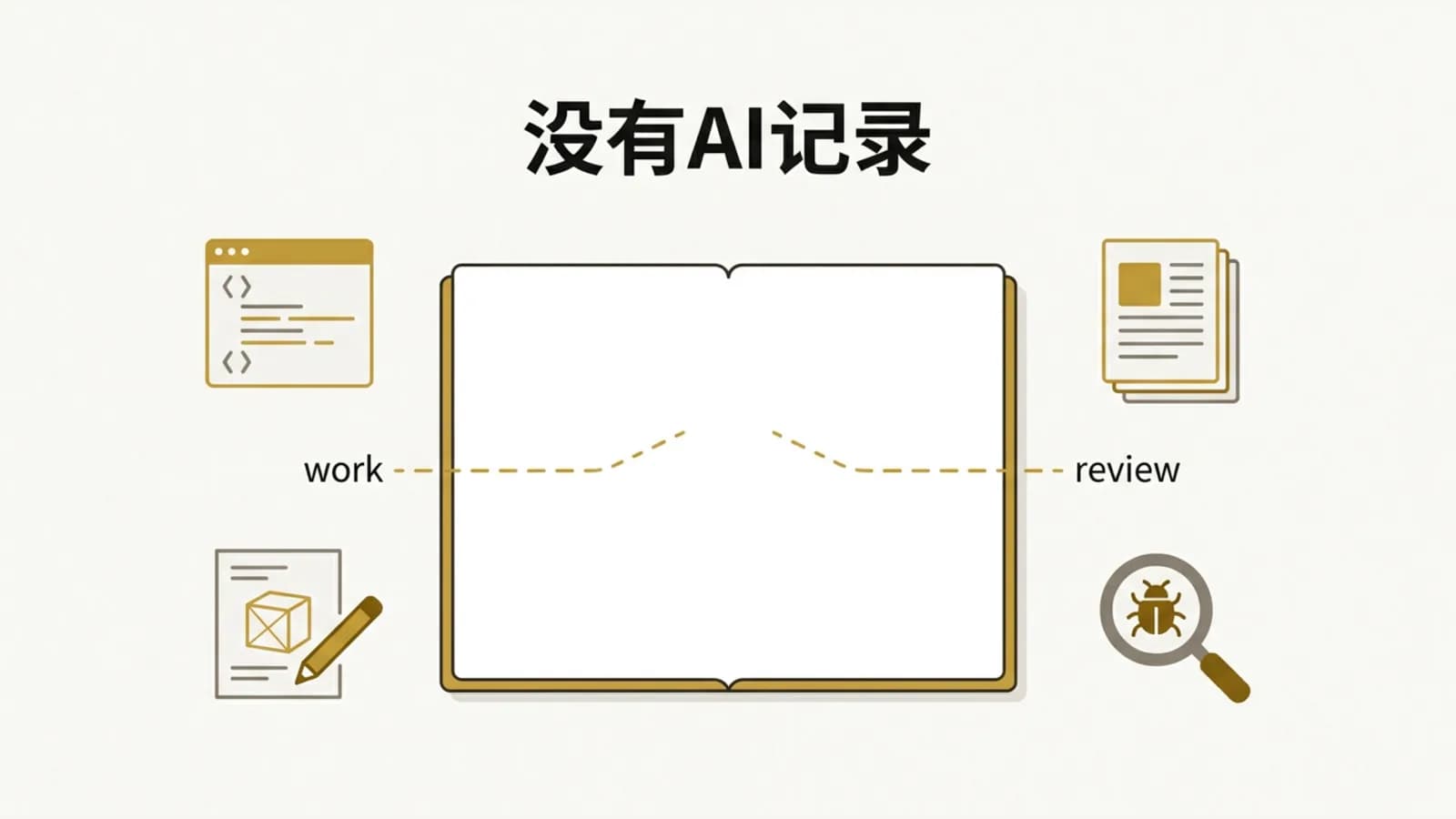
This post was supposed to be about "what I've been doing with AI lately."
But when I went back through my collaboration summaries for the past 7 days, the answer was simple: there were no AI collaboration logs.
Not exactly a flashy opening, but it's a very honest building-in-public moment. If I didn't write anything down, I can't pretend I pulled off some concrete AI productivity win.
1. No record, no real story about value
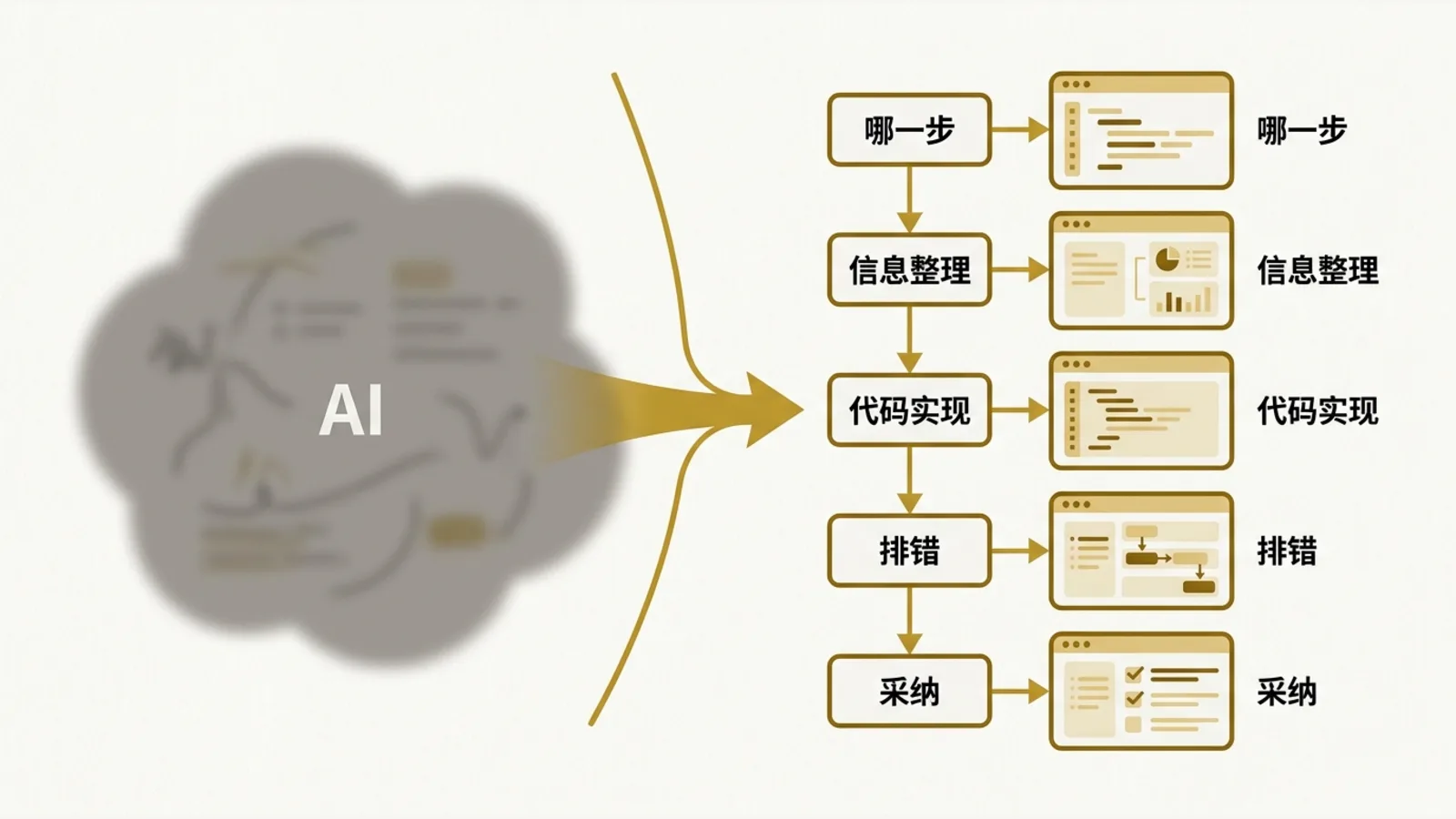
A lot of the time, when we talk about "AI making us more productive," it stays at the level of vibes.
Like: it feels like I'm writing faster, debugging feels smoother, I seem to have more ideas. But if you don't capture the process, it's hard to answer a few key questions:
Which step did AI actually take part in? Was it helping with organizing information, writing code, debugging, or wording and copy? How much of its output did I end up using? And which suggestions did I throw out?
This week's blank page was a reminder: if I want to keep sharing product progress in public, I can't just log the outcomes. I need to log how the collaboration actually went, too.
2. A blank is a signal too
Having zero AI collaboration logs over the past 7 days could mean a few things.
First, I genuinely didn't bring AI deep into my workflow that week. Second, maybe I did use AI, but never left a traceable record of it. Third, my current review process just isn't granular enough to capture what really happened on its own.
None of these deserve to be dressed up as "look at all the stuff I did with AI again." The better move is to treat it as a chance to recalibrate the process.
3. Changing how I keep records
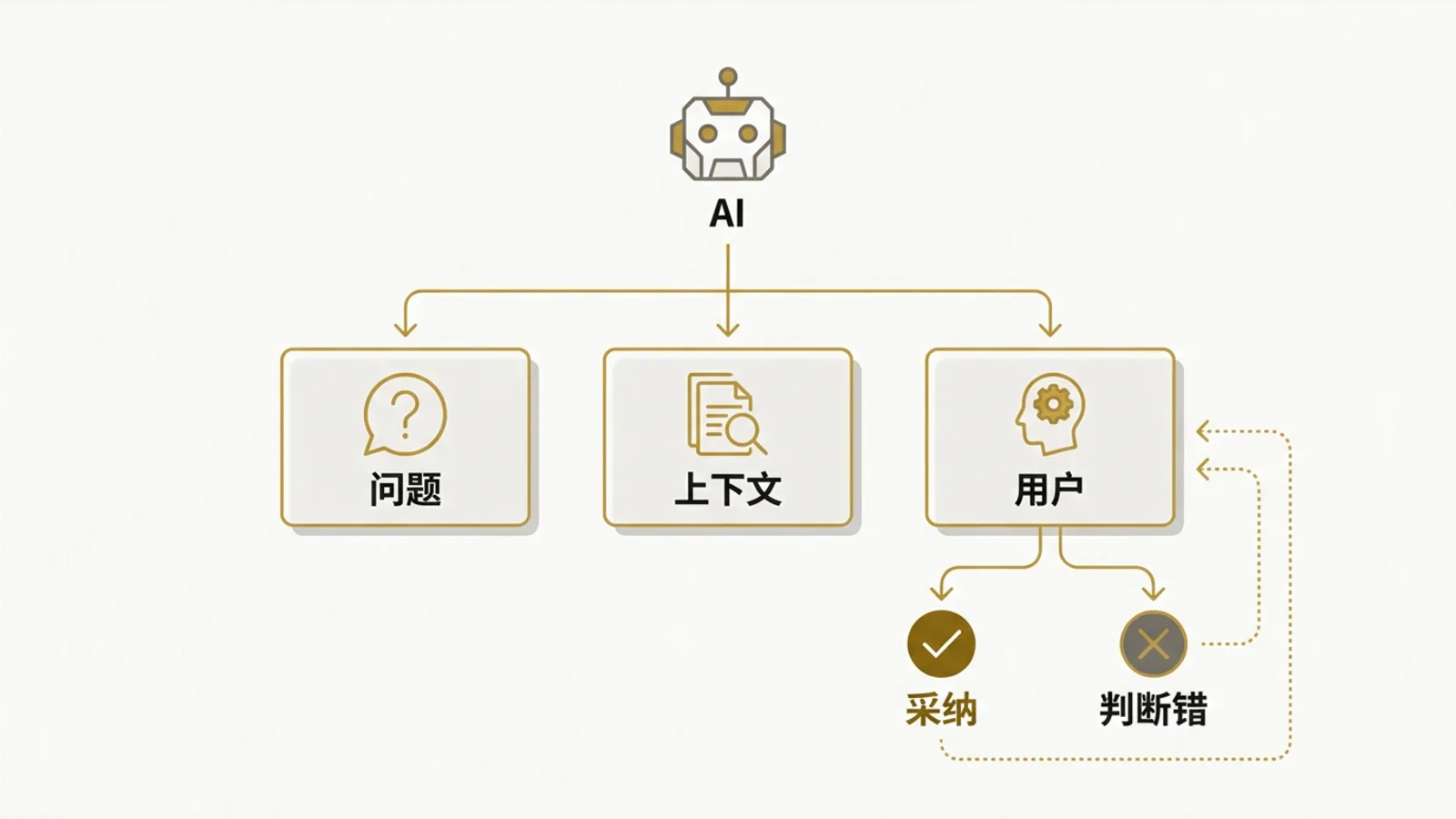
From now on, whenever AI is involved in development, product, content, or troubleshooting, I'll try to leave a tiny note:
What problem did it help me solve? What did I end up actually using? Where did it get things wrong, or lack context?
These three questions matter more than "which model did I use today." Because what compounds over time isn't the tool name — it's judgment: knowing when to bring AI in, when to make the call yourself, and when to go back to the users and the product itself.
4. Building in public isn't just a highlight reel
I'm more and more convinced that the value of building in public isn't telling a polished success story every time. It's being clear about the real rhythm of the work.
If there's progress, share the progress. If you hit a wall, talk about the wall. If you didn't keep records, admit you didn't.
This week I don't have an AI collaboration story I could hype up. But it made me see a more fundamental problem: if you want to work with AI over the long haul, you first have to make the collaboration reviewable.
I'll keep logging next week. The point isn't to prove how magical AI is — it's to be clear about what it actually solved in real work.
If you're building projects with AI too, try this simple template: What was the problem? What did AI do? How did you make the final call? I'd love to hear how you keep track — drop a comment.