Can One Person Plus AI Deliver an Enterprise-Grade System?
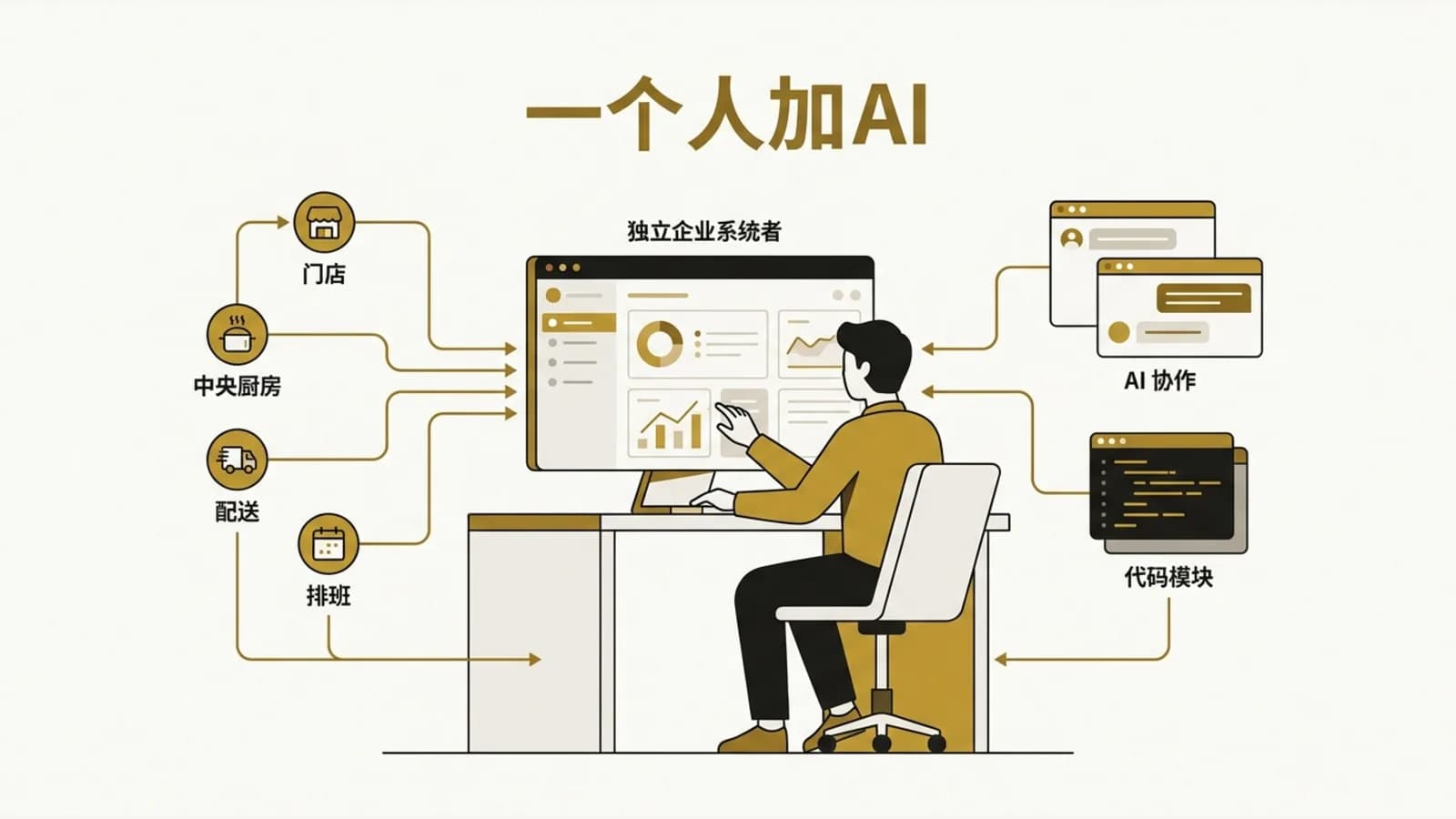
I used to take it for granted: enterprise systems are a team's job.
A product manager maps out the requirements, a designer draws the screens, a backend dev writes the APIs, a frontend dev builds the pages, QA tests the flows, and ops ships it. Sounds reasonable, and it's how a lot of companies actually work.
But after I quit my full-time job to work on my own products, I started doing things differently: it's just me, working alongside AI agents like Claude, Codex, and Hermes, turning real business problems into real products.
MakanCloud is my biggest example of that right now.
I'm not trying to build something that just "looks like SaaS"
MakanCloud tackles very specific problems in Singapore's F&B scene.
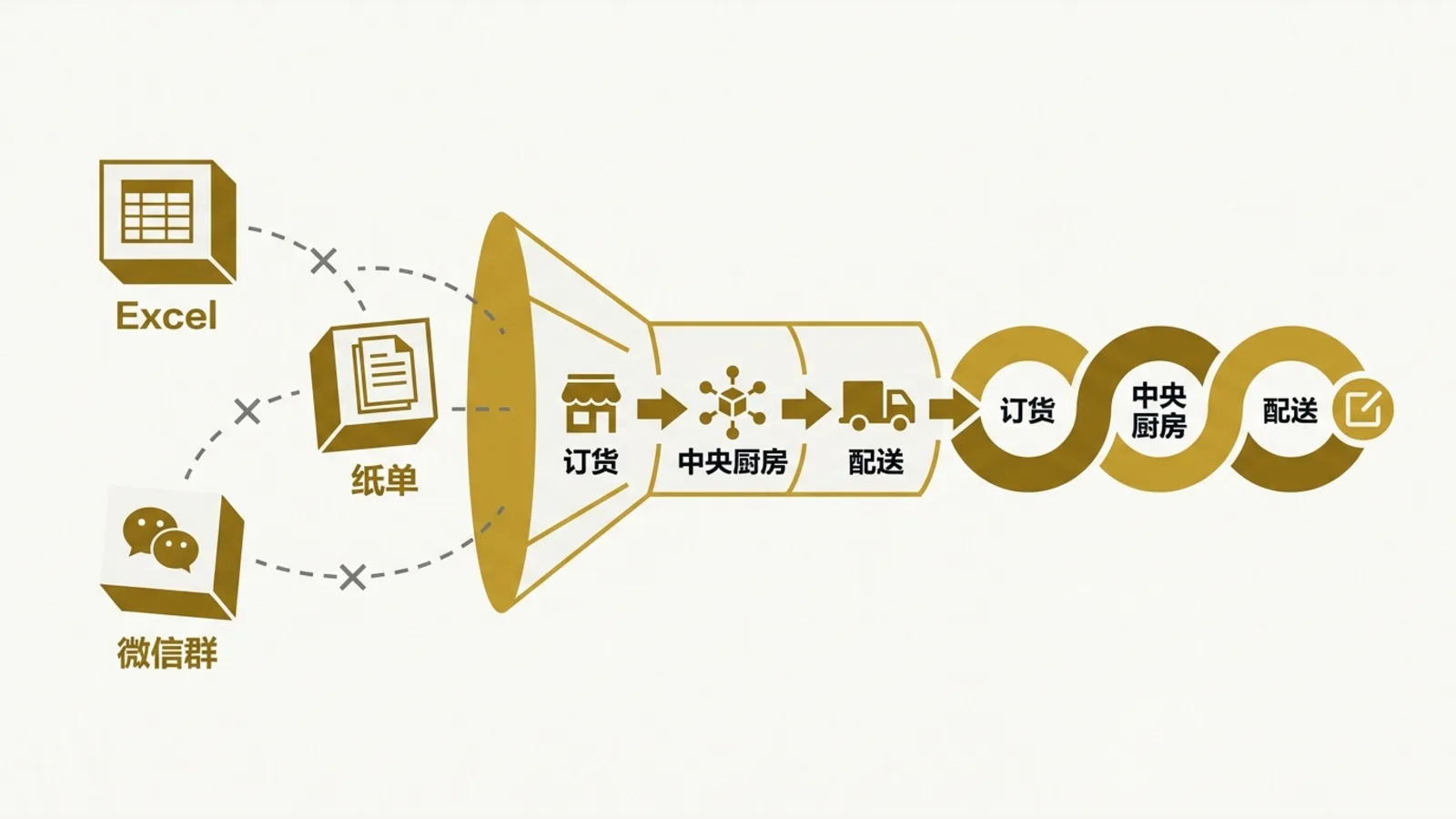
If a restaurant business has several outlets, a central kitchen, deliveries, staff rosters, a front-of-house POS, and QR ordering, its information ends up scattered everywhere: Excel sheets, WeChat groups, paper slips, a pile of different apps, and people confirming things by word of mouth.
None of those tools is wrong on its own. But once the business process gets long enough, things start to break:
Outlet orders need to be confirmed again and again, the central kitchen has to re-compile everything, delivery scheduling depends on people messaging each other, rostering and the front-of-house system don't talk to each other, and when the owner wants the big picture, they have to wait for someone to pull the numbers together.
I'm not building MakanCloud to prove I can write a big system. I'm building it to connect these scattered workflows as much as possible.
It covers ordering, the central kitchen, delivery, rostering, POS, and QR ordering.
None of that sounds cool, but these are problems real outlets run into every single day.
AI doesn't "do everything for me"
The more I code with AI, the more practical my view of it gets.
AI isn't magic. It won't understand the restaurant industry for me, and it certainly won't magically know why a particular outlet's workflow is designed the way it is.
Where it really earns its keep:
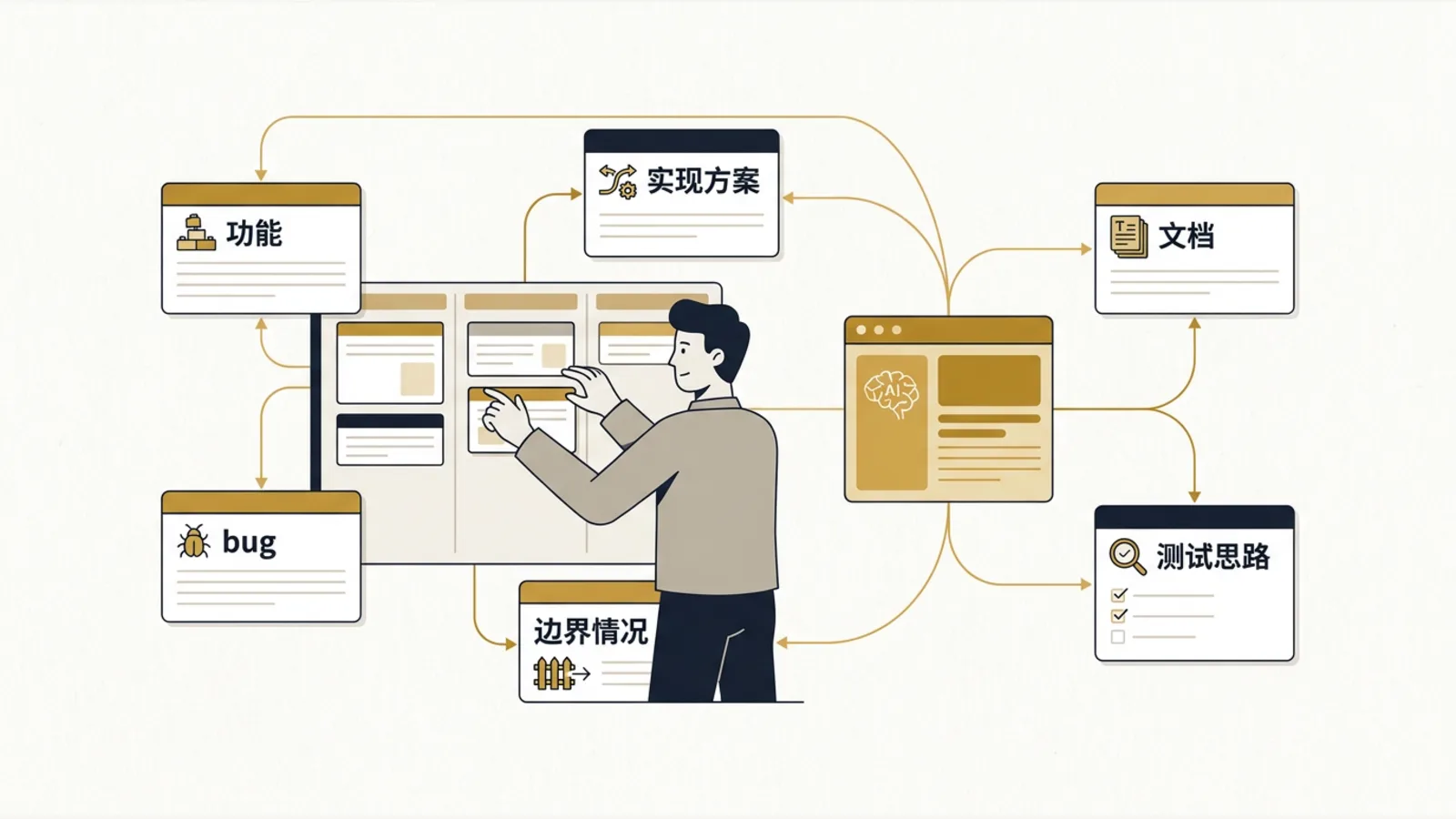
I can build features faster, track down bugs faster, and compare implementation options faster. I can also have it check edge cases, write docs, and help me work out what to test.
The hardest part of building an enterprise system solo used to be something other than "I can't code." It was too much context, too many tiny tasks, and a huge cost every time I switched between them.
AI takes a real chunk out of that cost.
That gives me a shot, as an indie developer, at delivering work that used to need a small team.
Custom software is really about understanding the workflow
Building MakanCloud made me more sure of one thing: what many small businesses are missing is a system that actually fits how their business runs, not yet another piece of software to buy.
Off-the-shelf software gets you to about 60%. The last 40% usually gets stuck on very specific details.
Should this status be split into two? Can this role edit that field? How do we handle an order that goes wrong? Is this report for the owner or the outlet manager?
Those details are where custom development really pays off.
The custom work I take on these days also tries to stay focused on real operational problems: operations systems for restaurants and SMEs, internal tools, websites, automation scripts, and data dashboards.
My edge isn't a big team or fancy packaging.
It's that I write it, test it, ship it, and run it myself, and I use AI to push my speed up so I can solve the problem properly, for less money and in less time.
A more realistic takeaway
I won't turn "one person + AI can deliver an enterprise system" into some kind of myth.
It doesn't mean one person can replace every team, and it doesn't mean AI lets you skip talking through requirements or cut corners on engineering quality.
Here's how I see it: when the problem is well-scoped, the developer is willing to dig deep into the business, and they're fluent at working with AI, one person really can deliver a system that used to be very hard to build solo.
MakanCloud is my proof to myself.
It's not the finish line. It's a real-world sample. In the AI era, custom software is going to look more and more like "someone who knows the business + a developer who knows how to use AI + a system that can keep evolving."
If you run a restaurant or a small business and you're stuck in Excel, group chats, re-entering the same data, and reconciling things by hand, feel free to leave a comment or DM me.
I won't necessarily tell you to build a big system right away. But we can start by breaking down your workflow together and figuring out which part is most worth turning into software.