What Did I Actually Do With AI This Week? The Answer Is a Little Awkward
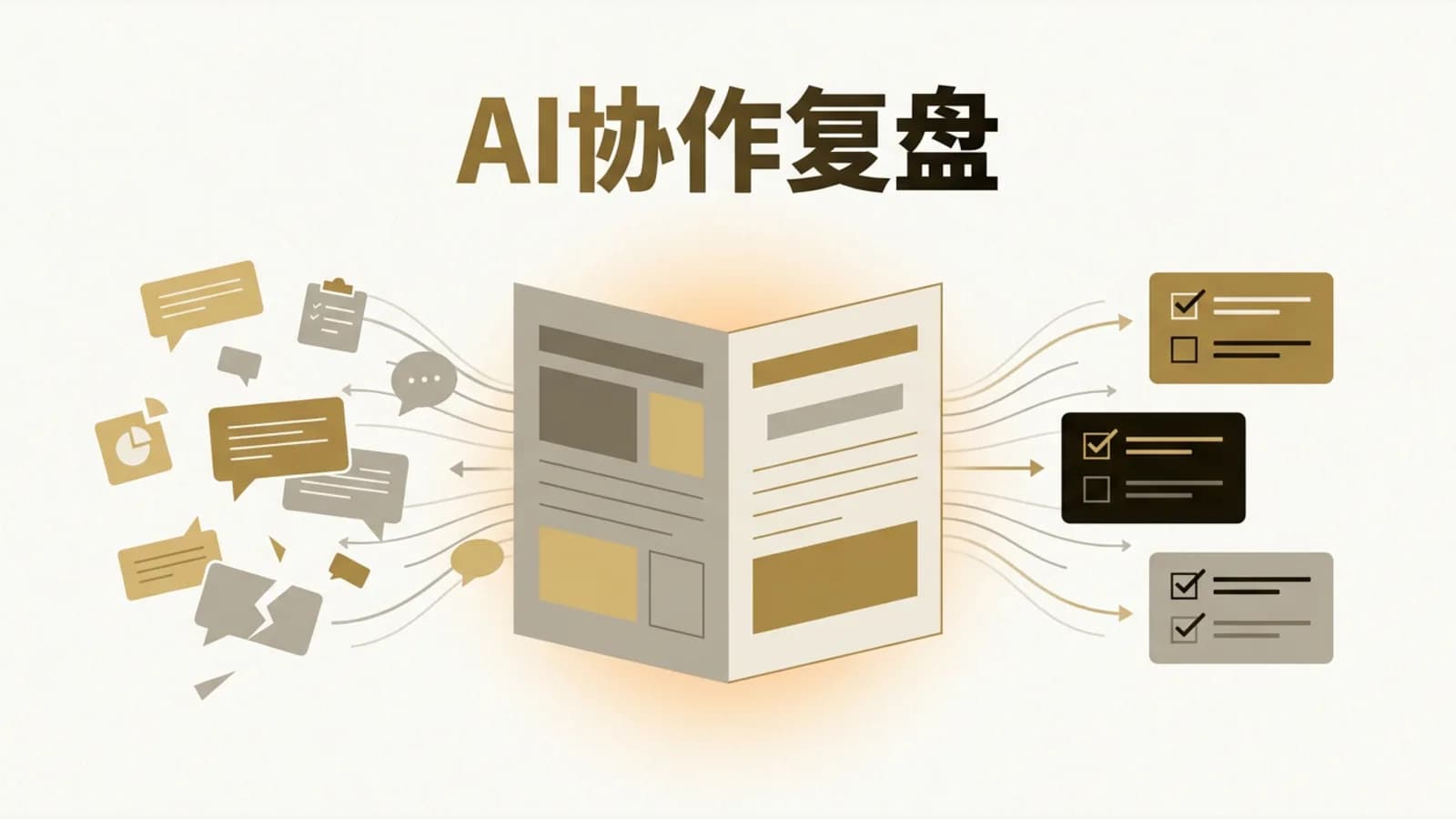
When I sat down to review the past 7 days of working with AI, I figured I'd come away with a few solid wins: maybe faster writing, maybe a clearer product plan, maybe a dev bug tracked down in record time.
What I actually found: there were no usable records of AI collaboration from those 7 days.
That's a little awkward. But it's also a pretty good fit for building in public, because honest progress updates shouldn't just cover the parts that look good.
No records is a signal too
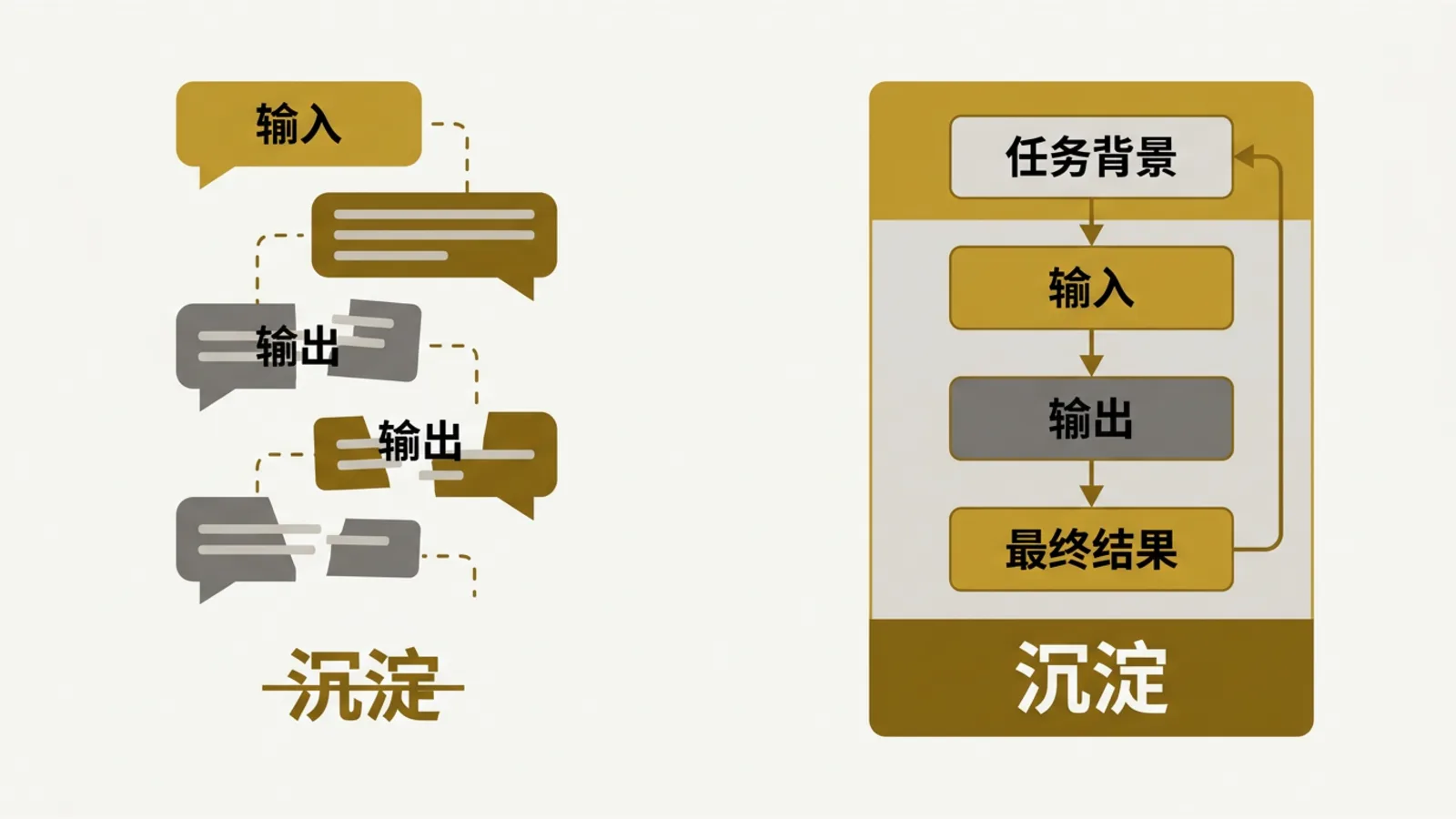
For a long time, I assumed that if I was using AI heavily every day, it must already be part of my workflow.
This review reminded me that using something isn't the same as getting lasting value out of it.
If an AI session doesn't leave behind the context, the input, the output, and what actually happened in the end, then a few days later I can't really tell what problem it solved. Maybe it genuinely saved me time. Or maybe it just made me feel busier.
That's not a problem with AI. It's a problem with how I'm working with it.
What I care about is the problem it solved
Looking back, I don't think "What have I been doing with AI lately?" should be answered tool by tool. It should be answered problem by problem.
For example:
Did it help me narrow down a product decision?
Did it help me turn a messy pile of ideas into a plan I could act on?
Did it help me spot blind spots in my code or my ops processes?
Did it produce reusable docs, templates, or decision criteria?
If I can't answer any of these, then that session wasn't captured in any meaningful way.
Next step: turn AI collaboration into something I can review
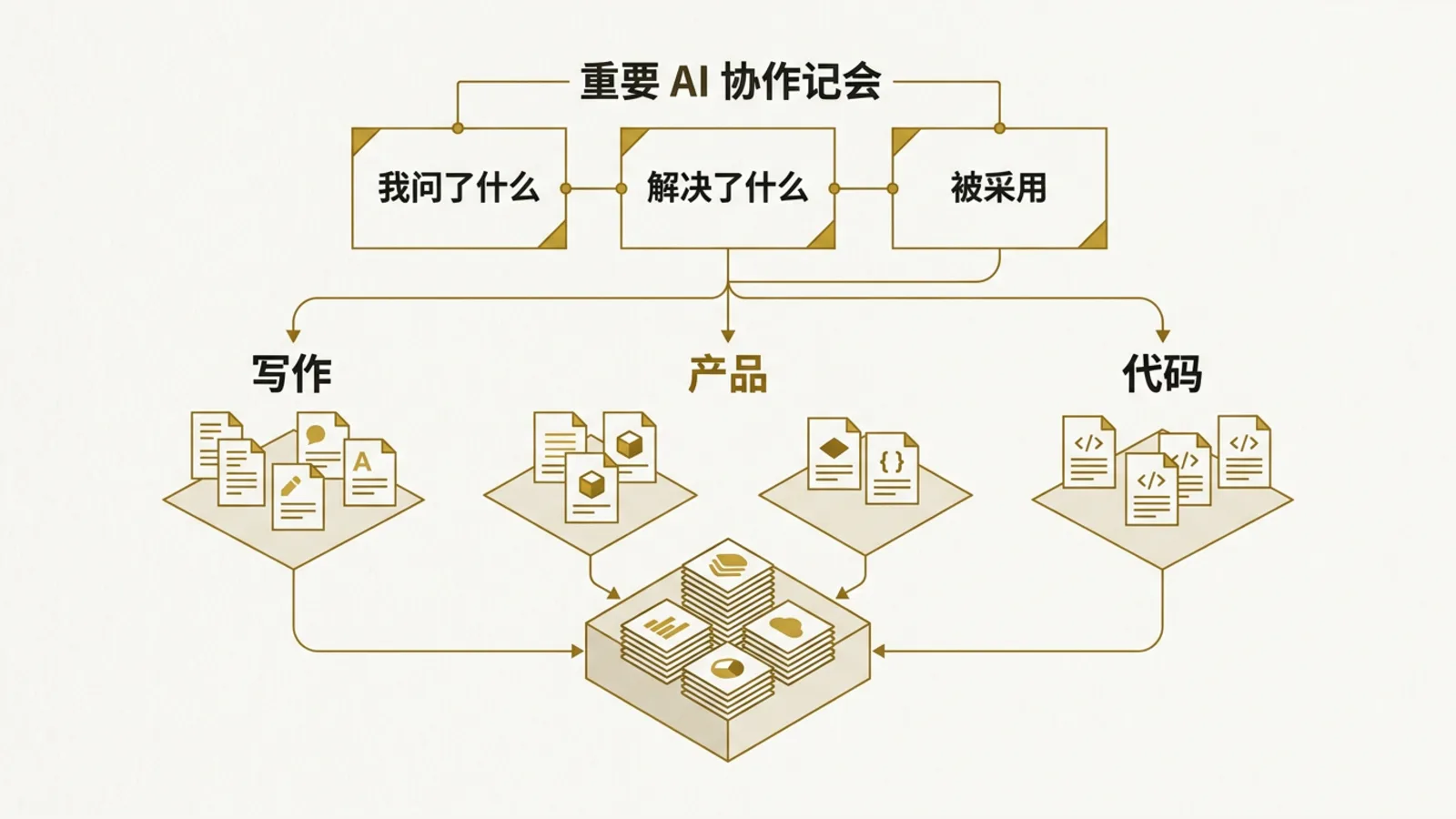
I'm going to make one very small change: after every meaningful AI session, I'll write down just three things.
First, what I asked.
Second, what the AI actually helped me solve.
Third, whether the result ended up being used.
I'll start by sorting these into four buckets: writing, product, code, and ops. That way, the next time I look back, I won't just be going on gut feeling that "AI is really useful". I'll be able to see exactly which kinds of friction it's cutting down.
What I took away this week
There's no shiny result to show off this week, but there is a more fundamental reminder: AI isn't just a tool that gets things done. It's also a mirror.
It amplifies how well you execute, and it amplifies the chaos in your workflow just as much.
If I don't define the problem clearly and don't write the process down, no matter how powerful the AI is, it's hard for any of it to become a long-term asset.
So this week's takeaway is simple: don't dress up results just to have something to share. If there are no records, fix the record-keeping first.
If you use AI in your work too, try asking yourself: the last time you worked with AI, what was the result you actually ended up using? I'd love to hear about it in the comments.