2:30 a.m., and I Handed My Production Database to AI
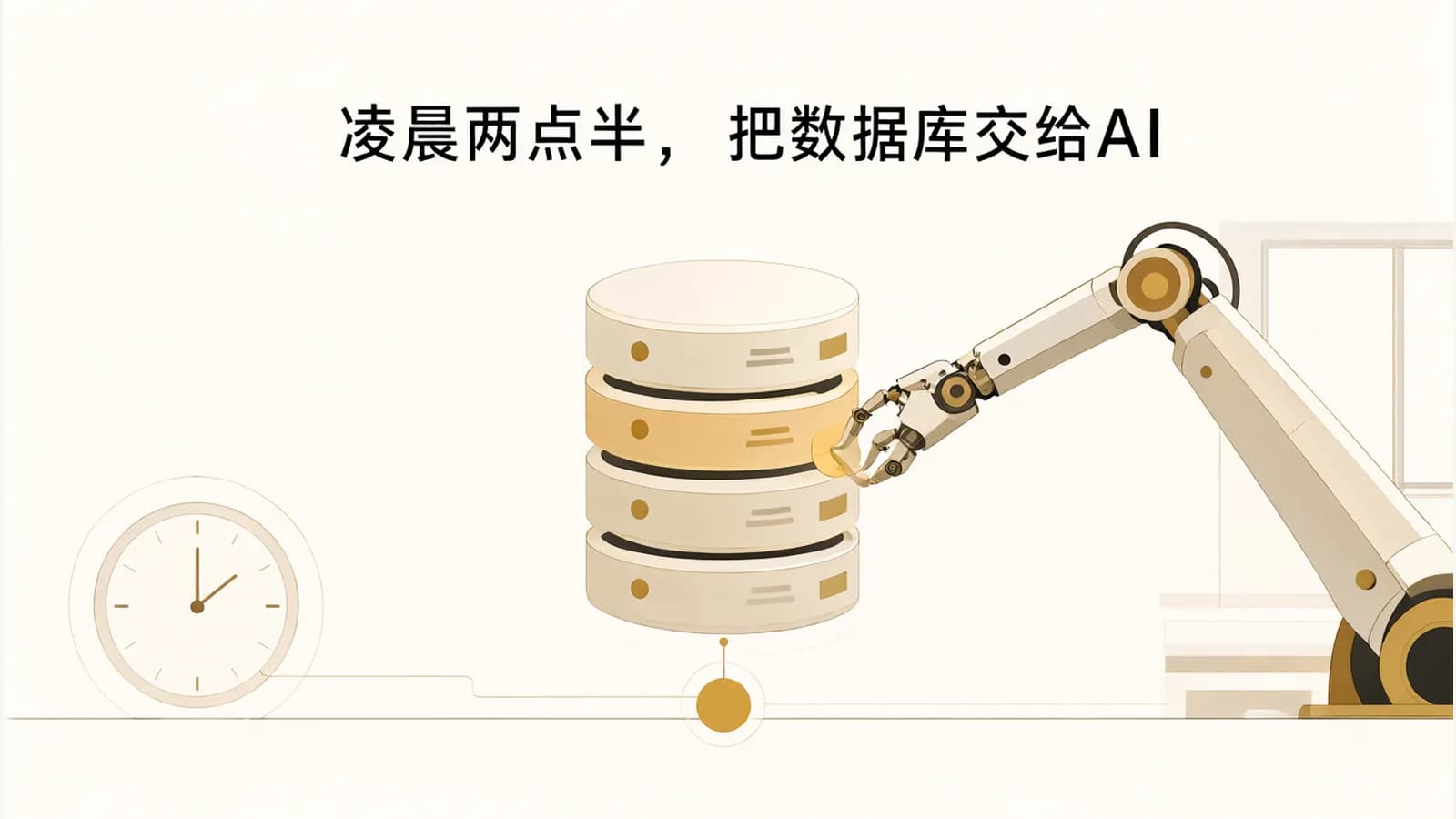
This past week I tried handing almost everything on my plate to AI. Not the shallow "write me some copy" stuff. I mean letting it touch production systems and do the kind of work where someone has to own the mistakes. Here are a few concrete examples, plus a look back at what I can hand off and what I can't.
A middle-of-the-night database migration
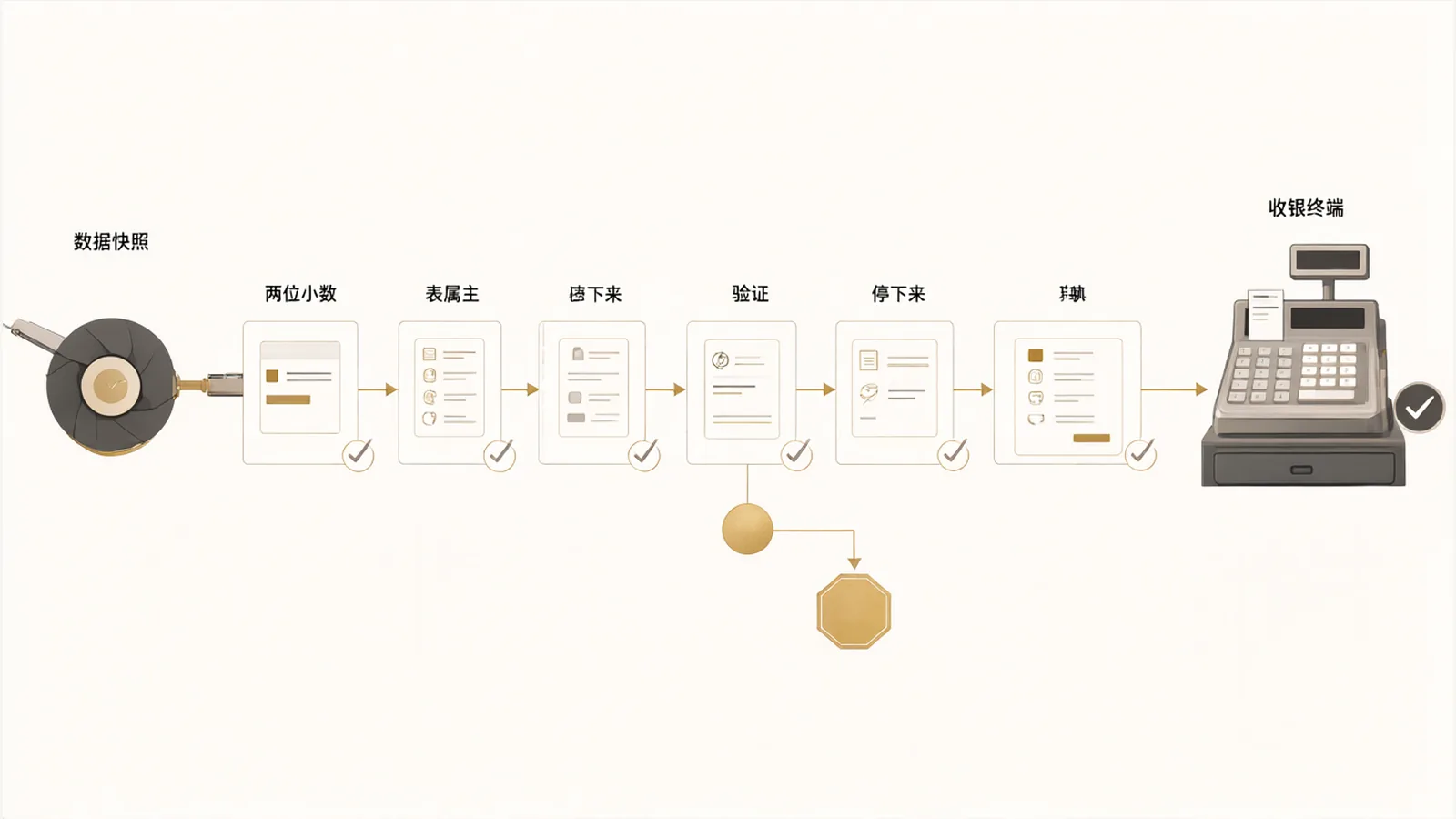
Our POS system had a problem that had been building up for a while. The money columns didn't all use the same precision, and the tables didn't all have the same owner. So every now and then reconciliation would be off by a few cents, and tracking that down is a pain. Changes like this touch real money, so doing them during business hours was out of the question.
So I opened a maintenance window at 2:30 a.m., when the shop was completely dead. The plan was simple. First, take a full data snapshot. Then let the AI run the migration step by step from a script we'd already agreed on: convert every money column to the same two-decimal precision type, and clean up table ownership too. I gave it one hard rule: verify after every single step, and if anything doesn't match, stop right there. Don't push through.
When the window closed, I logged in with the store manager account on our one and only POS terminal and tested it for real: open a shift, take a cash payment, close the shift after one order. Everything worked. That felt more reassuring than any demo ever has.
Illustrations: I let the AI argue with itself
For blog images, I used to either settle for whatever I had or pay someone to make them. This time I split the job into three roles. First the AI is the illustration planner: it works out what idea each image actually needs to get across. For example, if the post says something "dropped the ball," you don't draw a literal ball; you draw the real problem behind it. Next it's the vector illustrator and writes the SVG code directly. Last it's the reviewer: it looks over the rendered image and checks specifically whether any text got cut off by the canvas or runs into lines and arrows. With the three roles picking at each other's work, a lot more of the images turned out usable.
All the chores I'd been putting off
There was also a pile of "not hard, just annoying" tasks, and I handed those off this week too. One was an English email reply that needed a letter of authorization attached and the other side's point of contact CC'd. Another was purging the CDN edge cache so a security fix would go live right away (otherwise the old response headers would stay cached for ages). It even helped me pull together the details on a car I wasn't using and list it on a secondhand marketplace. What these have in common: the steps were clear, I just couldn't be bothered to do them.
Where I draw the line after a week
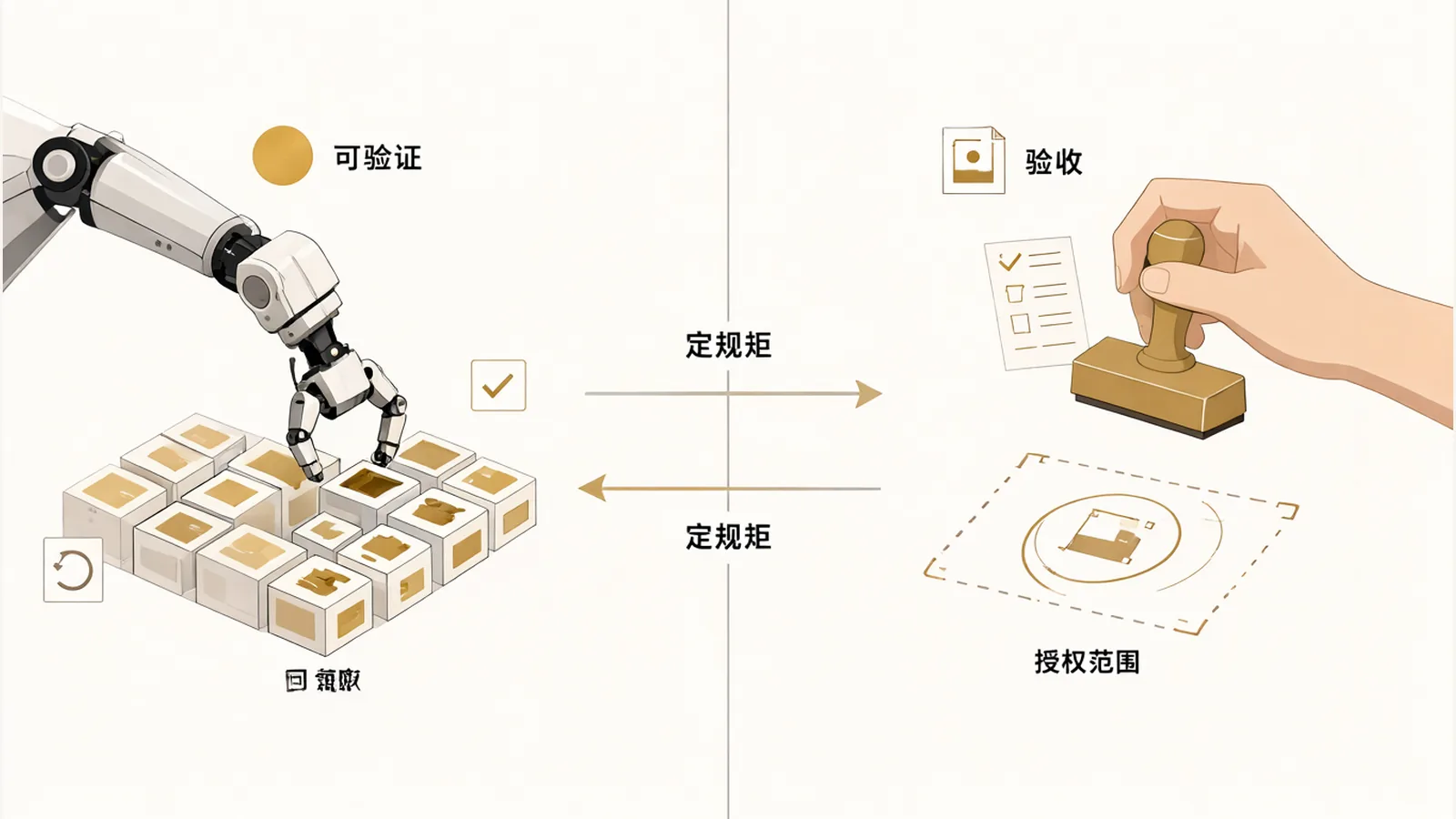
The biggest takeaway wasn't "wow, AI is so good." It was that I got a much clearer idea of where the line is:
- What I can hand off: execution work with a clear path, results you can verify, and a way to roll back if it goes wrong.
- What has to stay with me: the snapshot, how much access to grant, and judgment calls like "when do we have to stop?"
The AI does the running. I set the rules and sign off at the end. That split has worked a lot better than I expected.
Have you handed any critical work to AI lately? Did it bite you, or did it turn out great? Tell me in the comments, and I'll pick a few specific cases to write about in more depth.