The real problems I pushed forward with AI this past week
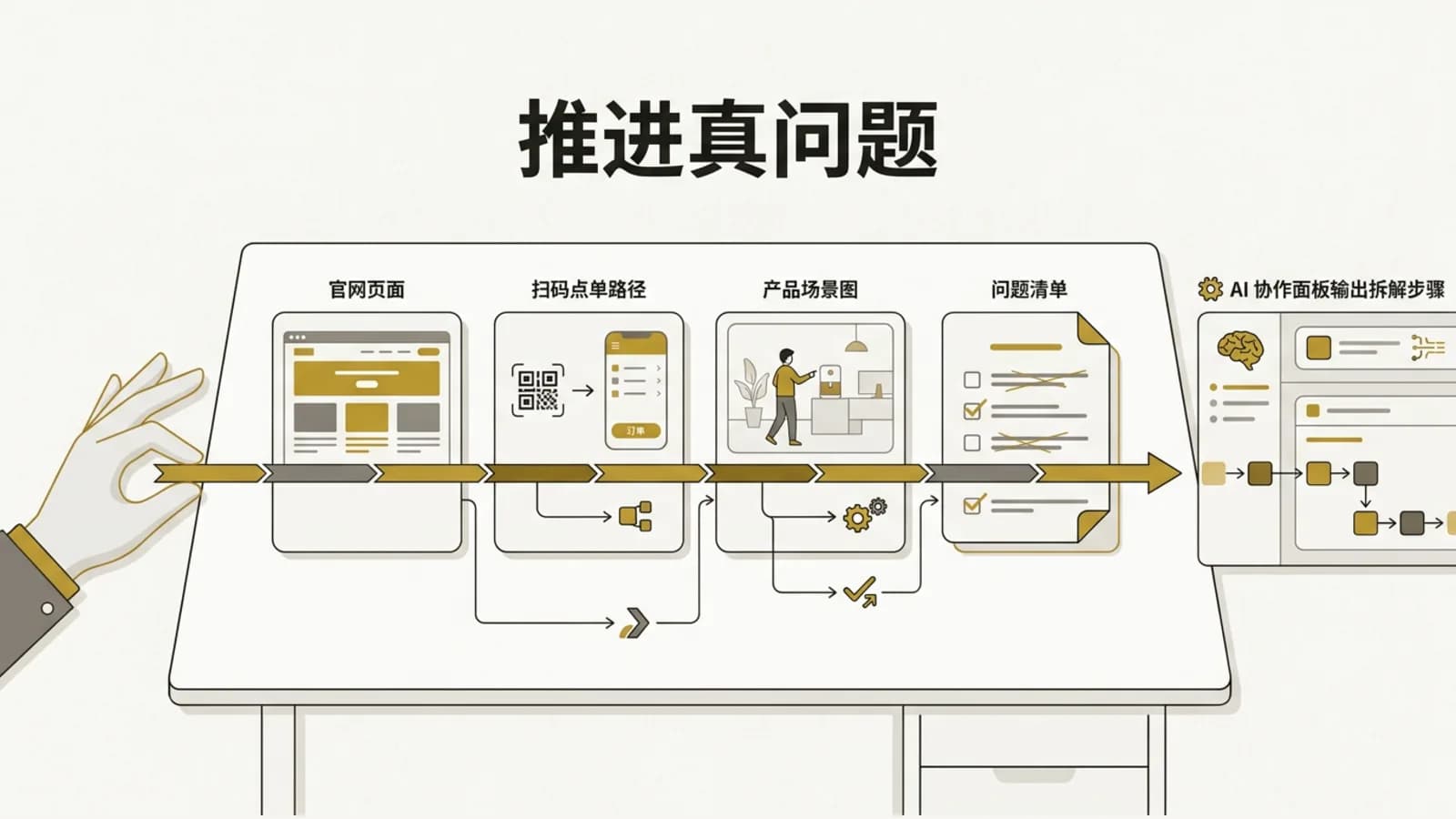
This past week made something clearer for me about working with AI: it doesn't "conjure up a product" for me. What it does is help me push through the specific, tedious, easy-to-put-off problems inside a product, one at a time.
Most of the week went into three things: MakanCloud, my personal content site, and giving my AI agent the ability to use a browser.
First, fixing the "this doesn't look like real business software" problem
A few sections of the MakanCloud website didn't look like they belonged together, especially the landing page and the feature pages. On desktop they felt a bit small and underwhelming, and on mobile the layout got messy. I didn't just tell the AI to go redesign the pages. I first had it look into the visual design tools, design skills and workflows I already have on this machine, and then come up with a plan based on how the product is positioned.
After that came the actual work: reworking layouts, unifying the visual language, checking both the Chinese and English versions, then building the site and taking desktop and mobile screenshots to review. At one point I felt the direction was off, so I scrapped that round of changes entirely. That part matters: AI lets you try things much faster, but that doesn't mean every output deserves to stay.
Making product images look like the actual business
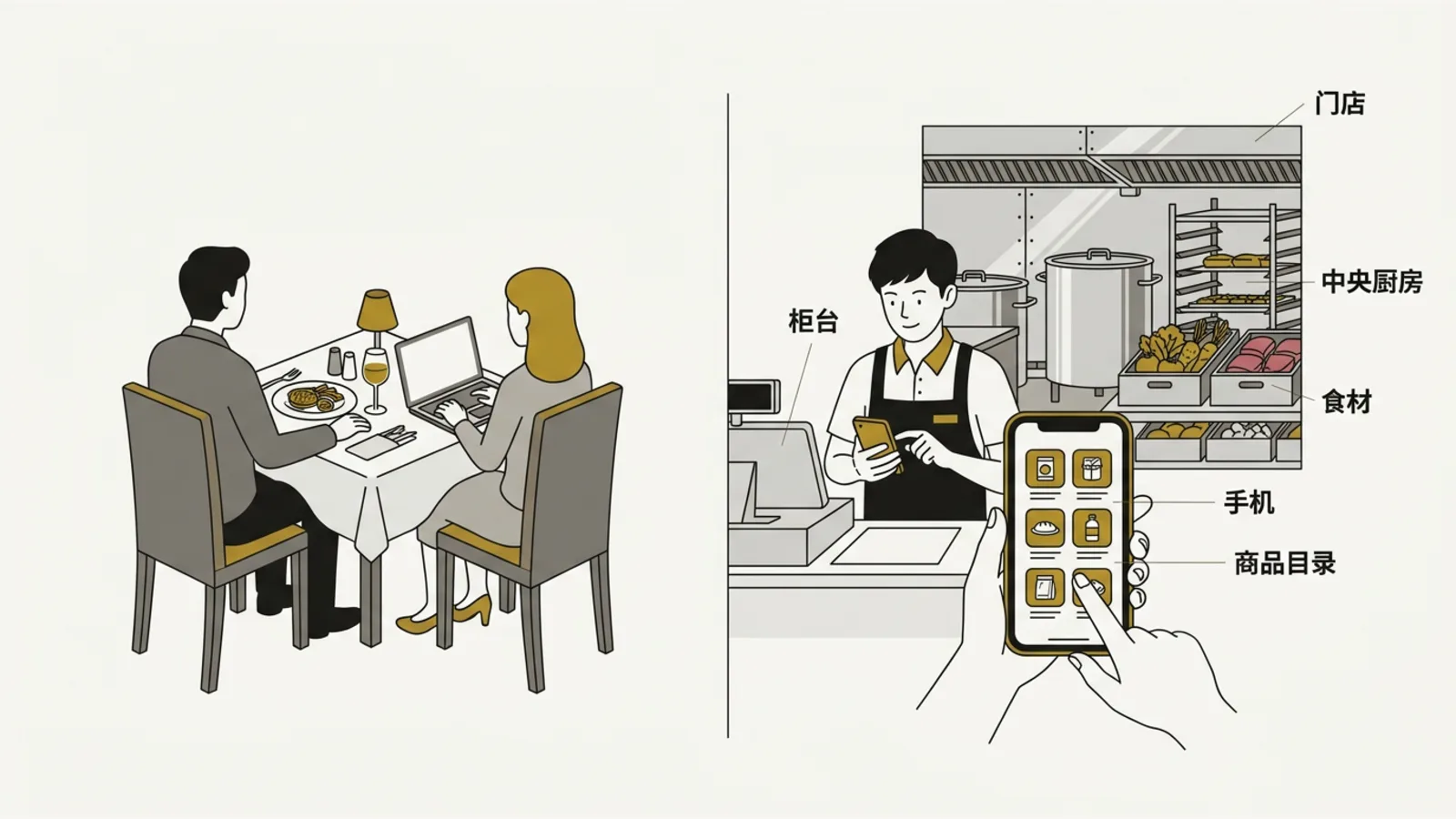
I also regenerated the product scene images for the website and feature pages. The first batch looked nicely realistic, but a lot of the scenes didn't feel like the actual business.
Take the in-store ordering scene. What I wanted wasn't a group of people posing in a restaurant. It was a young staff member near the store counter, ordering from the central kitchen using the product catalog on their phone. The central kitchen shots also can't just be clean and pretty. You should see food processing equipment and ingredients, and it should feel like real work is happening.
It reminded me again that the quality of AI-generated content depends heavily on how well I can explain the business details. Looking good isn't enough. The images are only useful if they fit.
QR code ordering is getting into the practical stuff
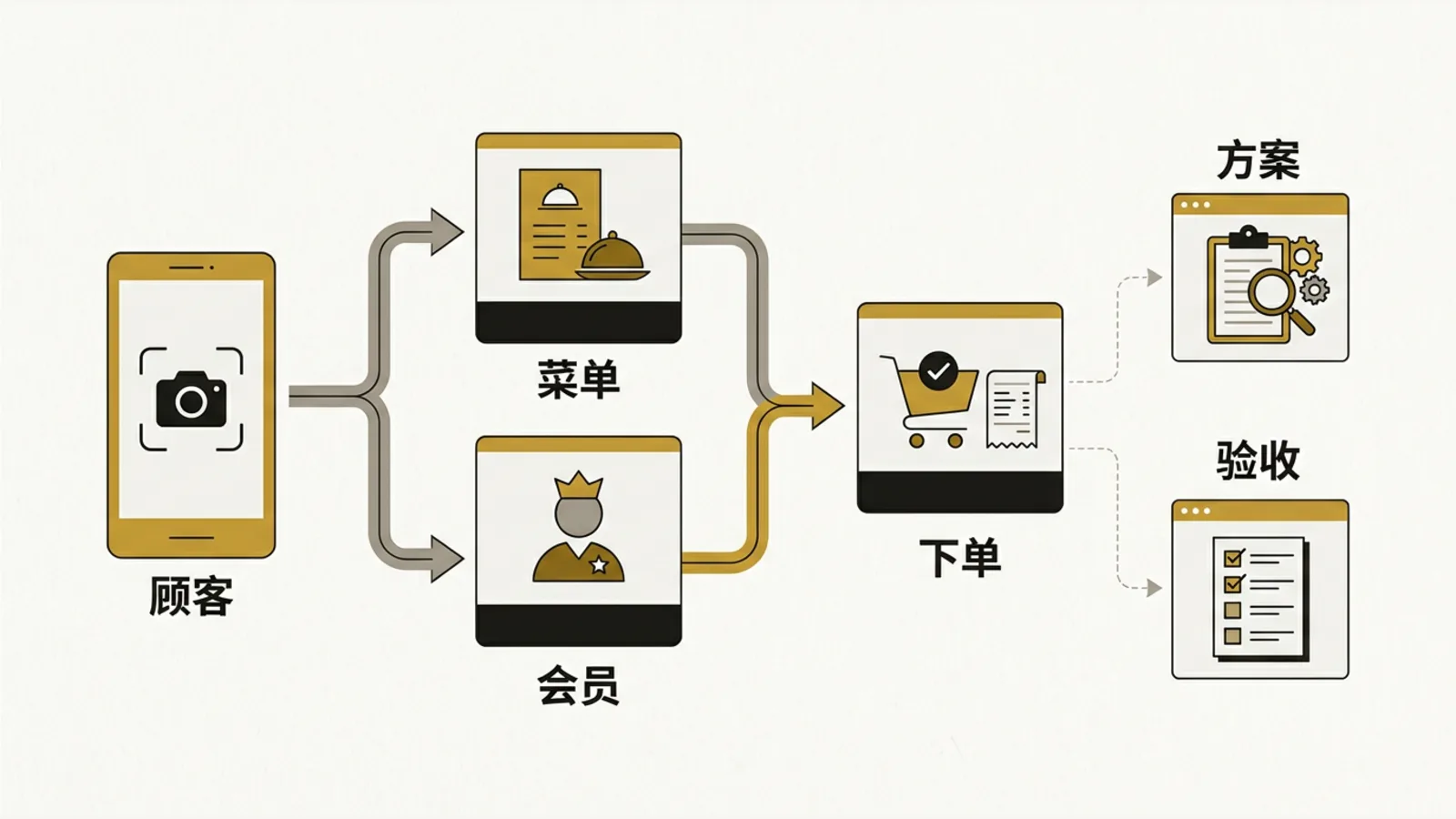
The other big focus was phase two of the customer-facing QR ordering interface. I've started thinking about the visual polish and the membership system together.
This isn't just about adding a "member login" button. I need to figure out the whole path after a customer scans the code: browsing the menu, logging in as a member, placing an order, and whether all of that feels natural. The AI's job here was reviewing the plan, breaking the work into steps and checking the visuals. My job was deciding what to build now and what to hold off on.
Fixing the small, unglamorous issues that still hurt the experience
I also handled a few very practical small issues this week: numbers displaying wrong in staff scheduling, updating payment-related copy, and the live site still showing old images after a build and deploy.
None of this sounds as exciting as an "AI startup story", but it's what a product actually runs into every day. Here the AI is more like a steady engineering partner. It reads the context, works out what went wrong, lists the next steps, then does the work and checks it.
The bottleneck in content scraping isn't the code
On the personal content site side, I had AI help me dig into a problem with my news sources. I wanted the tech news feed to include content from X and Reddit, but the real bottleneck wasn't the scraping logic. It was login sessions, anti-bot measures and keeping things stable over time.
It made me a little more careful about the word "automation". Scraping something once doesn't mean it will keep working. What really needs designing is a collection pipeline you can actually maintain.
Wrapping up
If I had to sum up the week in one sentence: I didn't use AI to build a flashy demo. I used it to push forward a bunch of real product problems.
Some were visual, some were features, some were bugs, and some were deployment and automation. None of them is a big deal by itself, but together they're how a product slowly becomes more reliable and more professional.
If you're building a product too, try not to just ask AI "got any good ideas?" Give it a specific problem, some screenshots, the business context and what "done" looks like. That kind of concrete collaboration is usually where AI actually proves its worth.