Staff Scheduling Is a Small Thing That's Quietly Slowing Restaurants Down
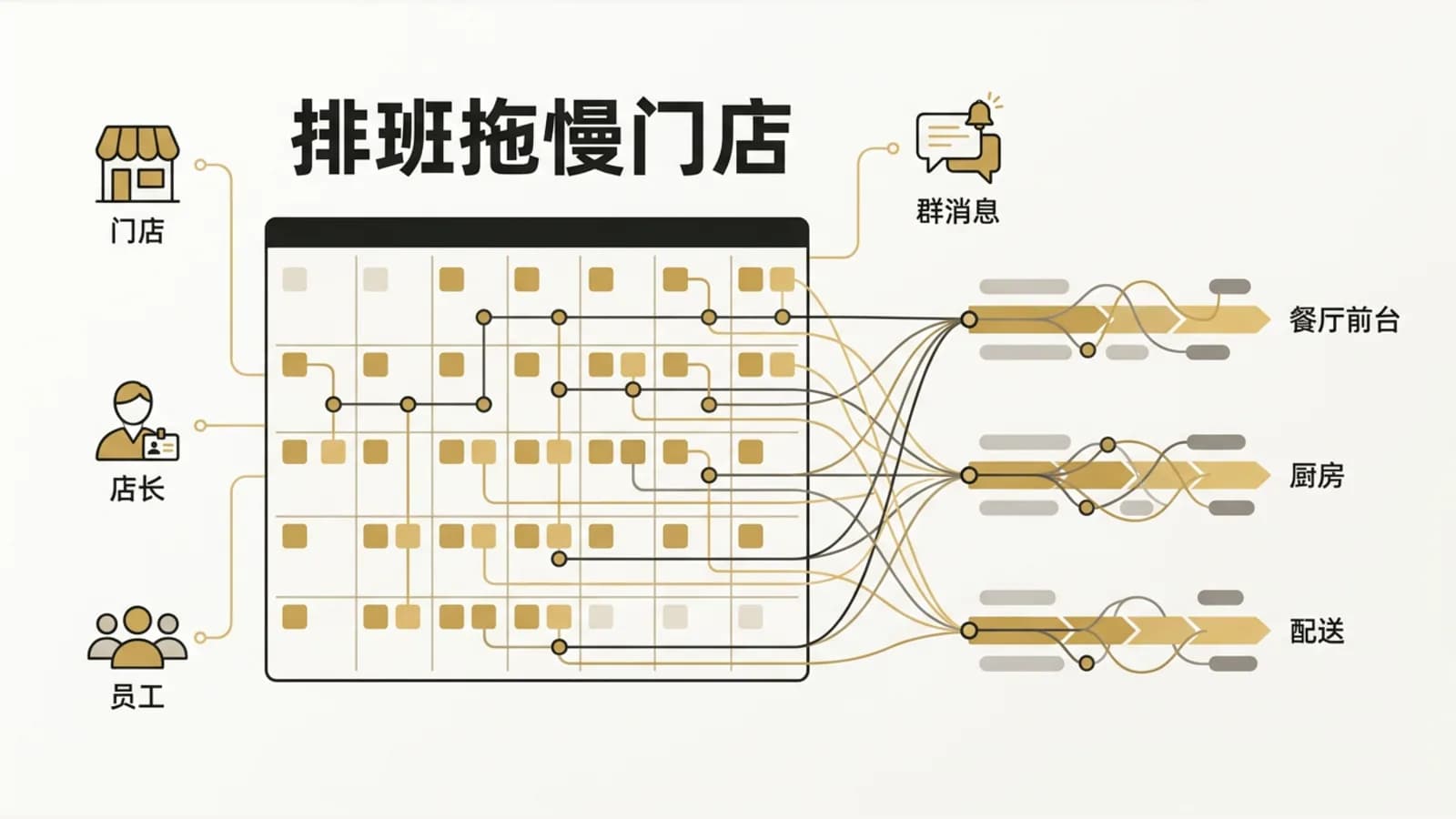
Most restaurant owners know it: scheduling isn't the flashiest feature in any system, but it's the one most likely to cause headaches every single day.
You put together a roster at the start of the month. Someone takes leave, so you redo it. One outlet is suddenly short-staffed, so you shuffle people across stores and redo it again. By the time the shifts actually happen, the version on the store manager's phone, the one in Excel, and the one in the group chat may no longer match.
For Chinese restaurant chains and growing F&B teams in Singapore, the problem was never just that scheduling eats up time. The bigger issues are that it's easy to break compliance rules, easy to leave a shift uncovered, and easy for one last-minute change to throw off the whole month's operations.
Manual scheduling is hard because there are so many moving parts
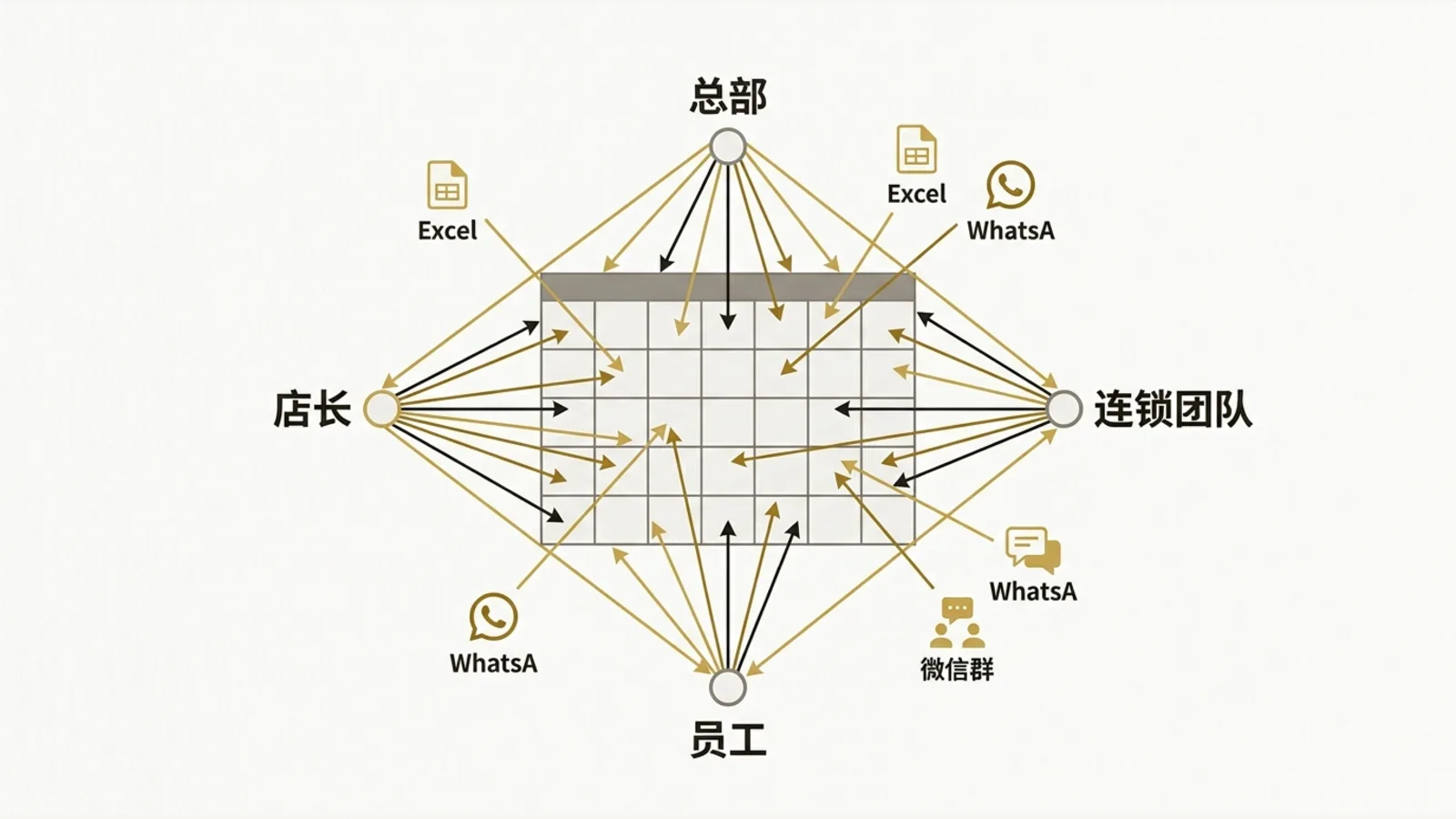
Restaurant scheduling isn't just dropping names into a grid.
HQ has to think about headcount at each outlet. Store managers have to think about how busy the day will be. Staff take leave and swap shifts. And chains have to deal with sending people to cover at other outlets. A lot of teams coordinate all this through Excel, WhatsApp, or WeChat groups. That works for a while, but it gets harder and harder to manage over time.
The trouble usually shows up in three places:
- First, building the monthly roster from scratch takes forever.
- Second, there's no consistent process for last-minute leave and shift swaps.
- Third, staff get moved between outlets too often, which wears out both the people and the stores.
MakanCloud uses OR-Tools to generate an optimal monthly roster
MakanCloud's scheduling module uses OR-Tools, running CP-SAT to automatically generate an optimal monthly roster.
The point isn't to make scheduling look fancier. It's to let the ops team hand all those messy constraints over to the system: generate the monthly roster automatically, stay compliant, and keep cross-outlet transfers to a minimum.
For owners and ops leads, that means you don't start from a blank spreadsheet every month, and you don't rely on group chat messages to remember every single change.
Leave and shift swaps need a process too
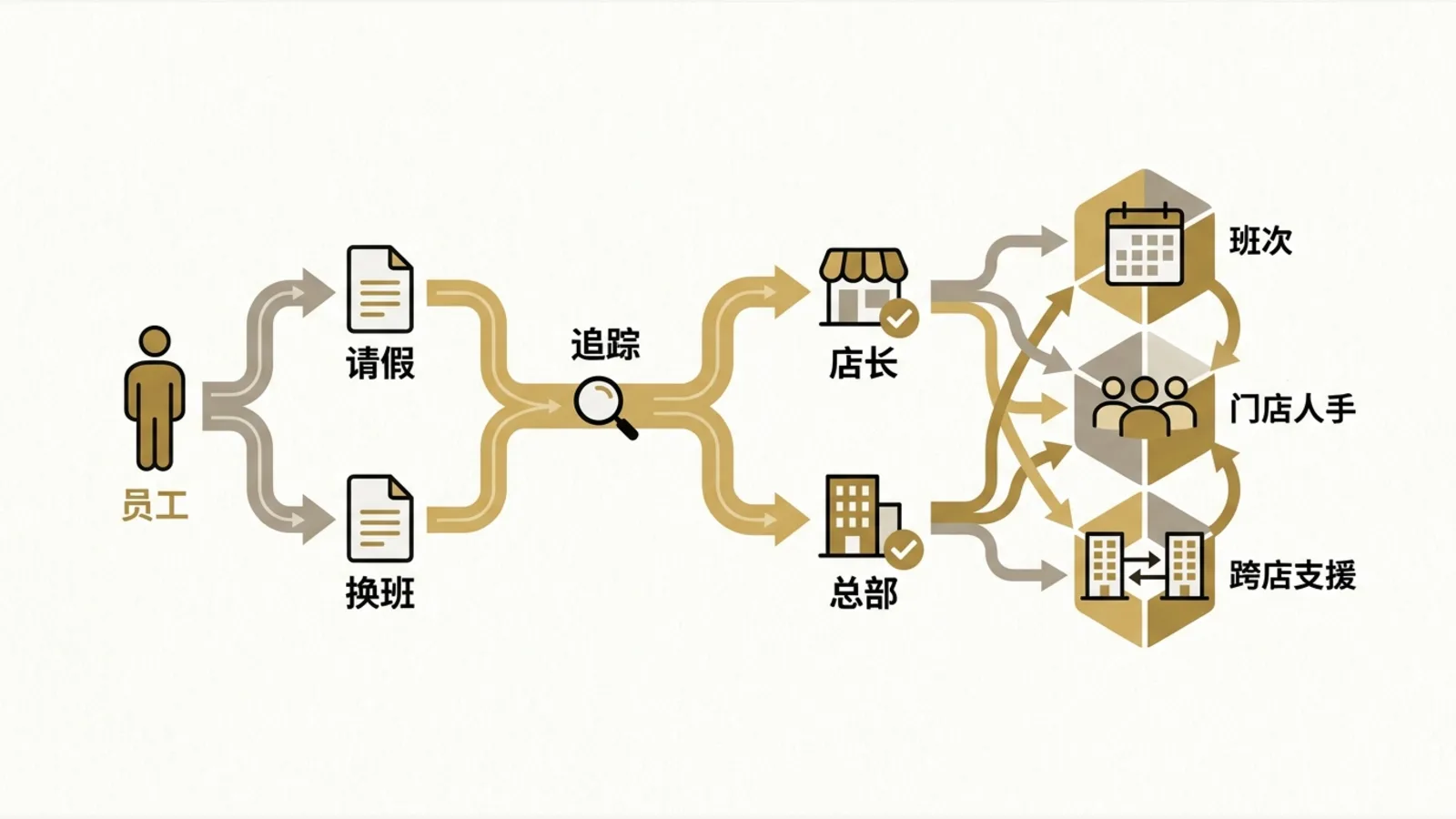
What throws a restaurant off usually isn't the plan itself. It's everything that changes after the plan is made.
MakanCloud supports two-step approval for leave and shift swaps. When someone asks for a change, it doesn't just get changed because they mentioned it in the group chat. It goes through a clear process, so store managers and HQ can review it, sign off, and keep track.
This matters a lot for multi-outlet teams, because one person's change can ripple beyond a single shift. It can affect outlet staffing, cross-outlet cover, and whatever's scheduled next.
Scheduling should be connected to the rest of your operations
If your roster lives in a standalone spreadsheet, it's hard for it to really support day-to-day operations.
MakanCloud is built as an end-to-end restaurant operations platform: one system that covers ordering, the kitchen, delivery, and POS. With scheduling on the same platform, sitting right next to daily store management, ops leads get a much clearer picture of their people, stock, orders, and outlets every day.
That's why we built auto-scheduling in the first place. It's not meant to replace a manager's judgment. It's meant to free managers from repetitive grunt work so they can put more energy into service and running their stores well.
If you're still doing monthly rosters with Excel and group chats, give MakanCloud a try: 14-day Pro free trial, no credit card required.
Sign up here: https://makancloud.com/register
And I'd love to hear from you in the comments: when your team puts together the monthly roster, what's the biggest pain? The time it takes, handling leave, or moving people between outlets?